July 5, 2025. Hope, British Columbia. Day 45 of 170
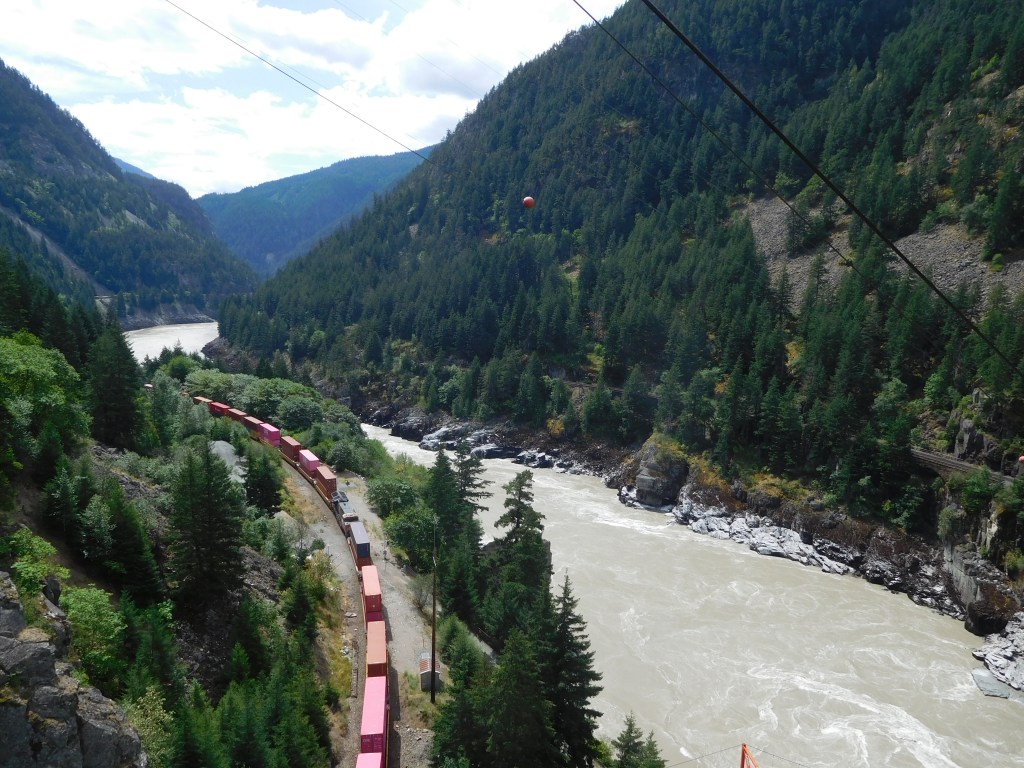
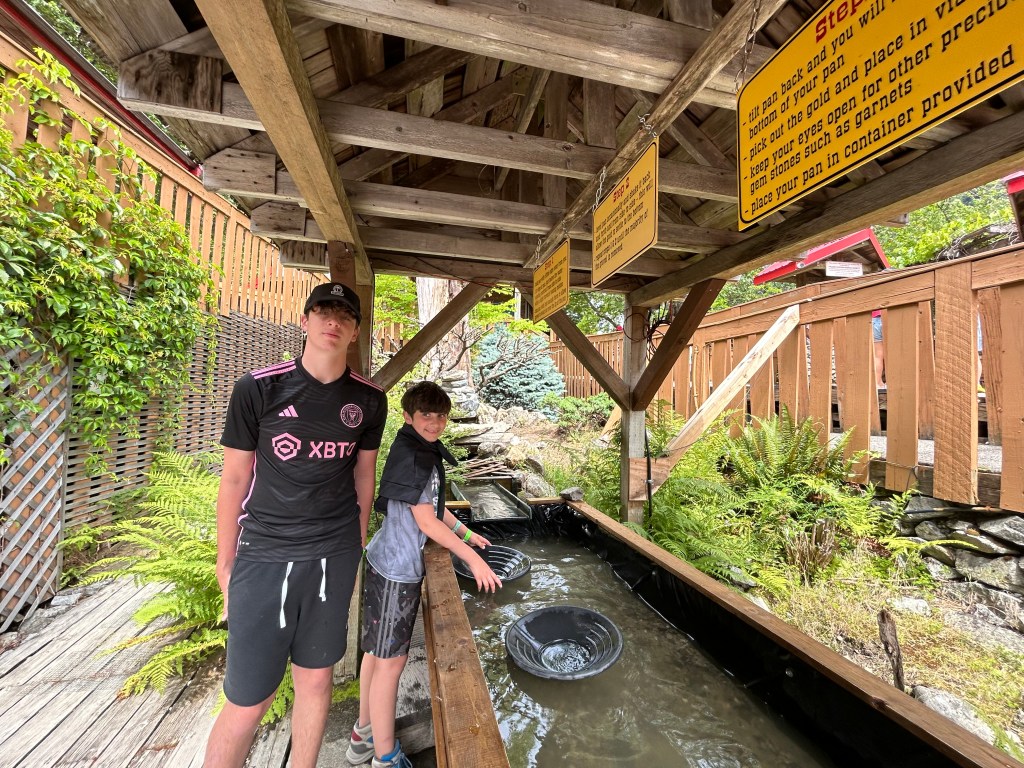
Today, we drove north from Hope, British Columbia, on Highway 1, also known as the Trans-Canada Highway. With no set destination, we simply enjoyed the drive north along the mighty Fraser River, flowing fiercely southbound. On both sides, we saw trains from the Canadian Pacific Railway loaded with oil, coal, and many other commodities. We learned this stretch of highway, from the town of Hope up to Yale, is called the Gold Rush Trail. This area is rich with the history of pioneers traveling to try their fortunes prospecting for gold riches.
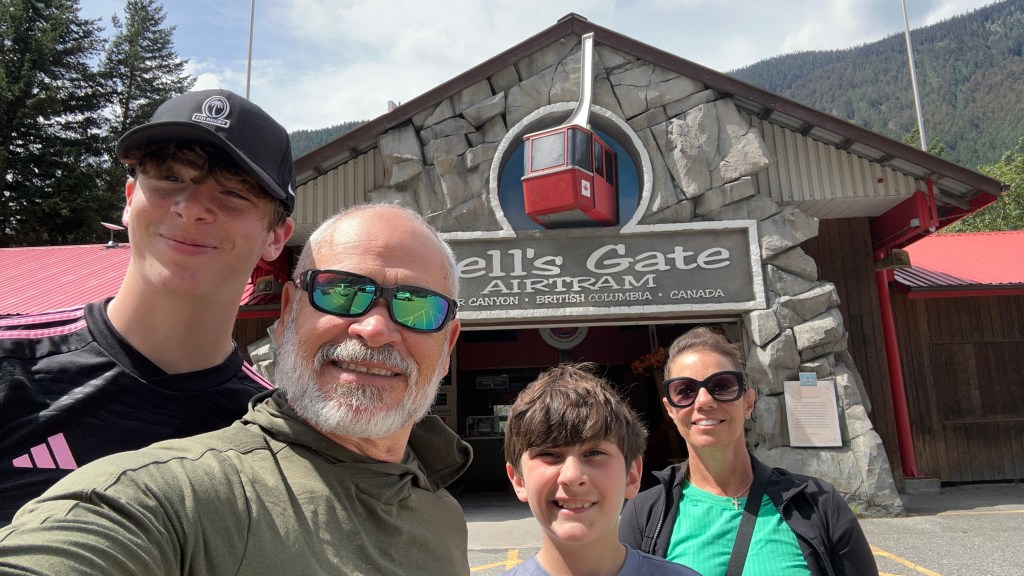
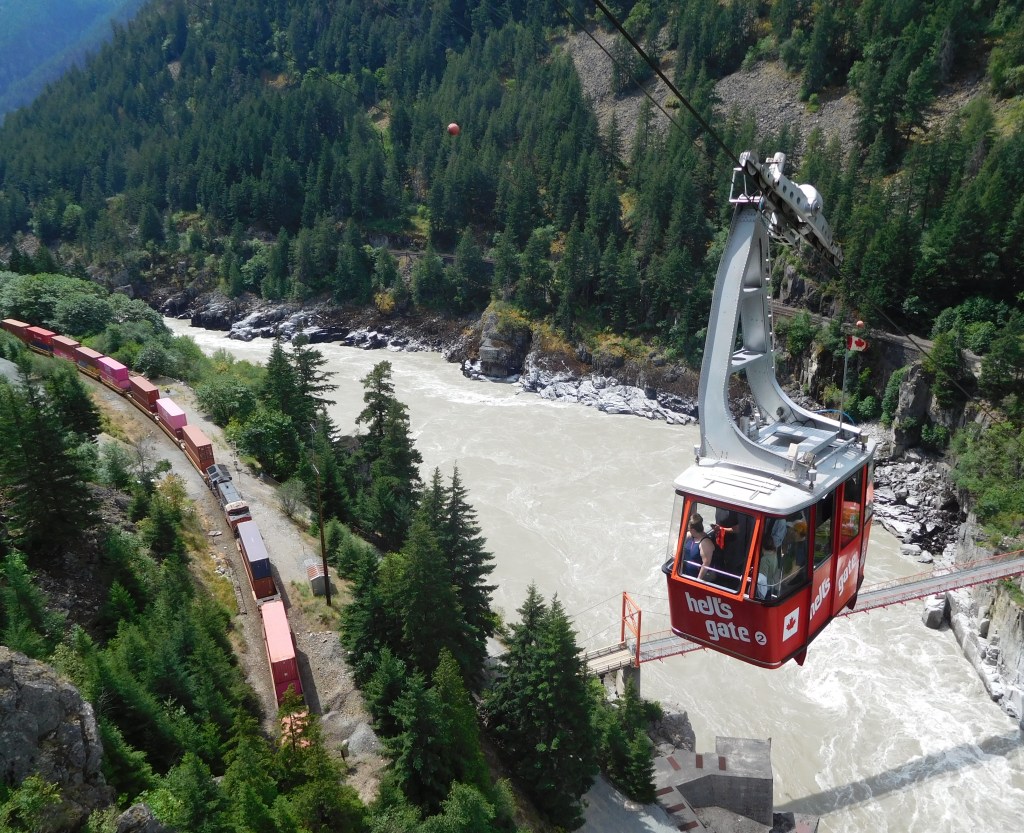
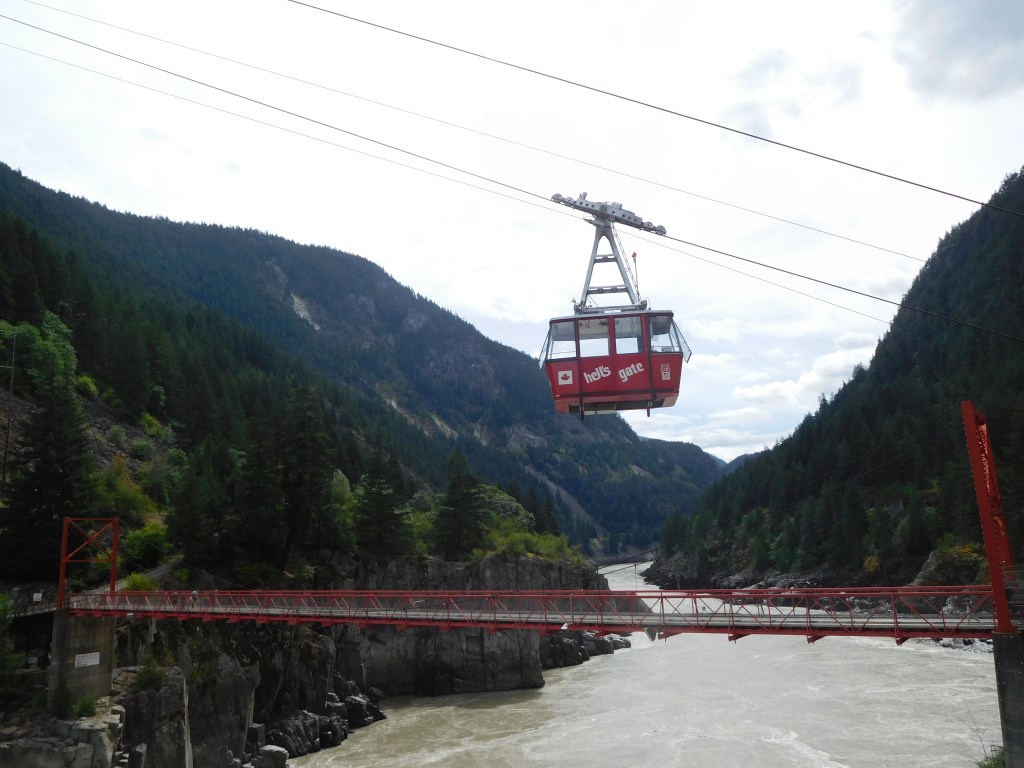
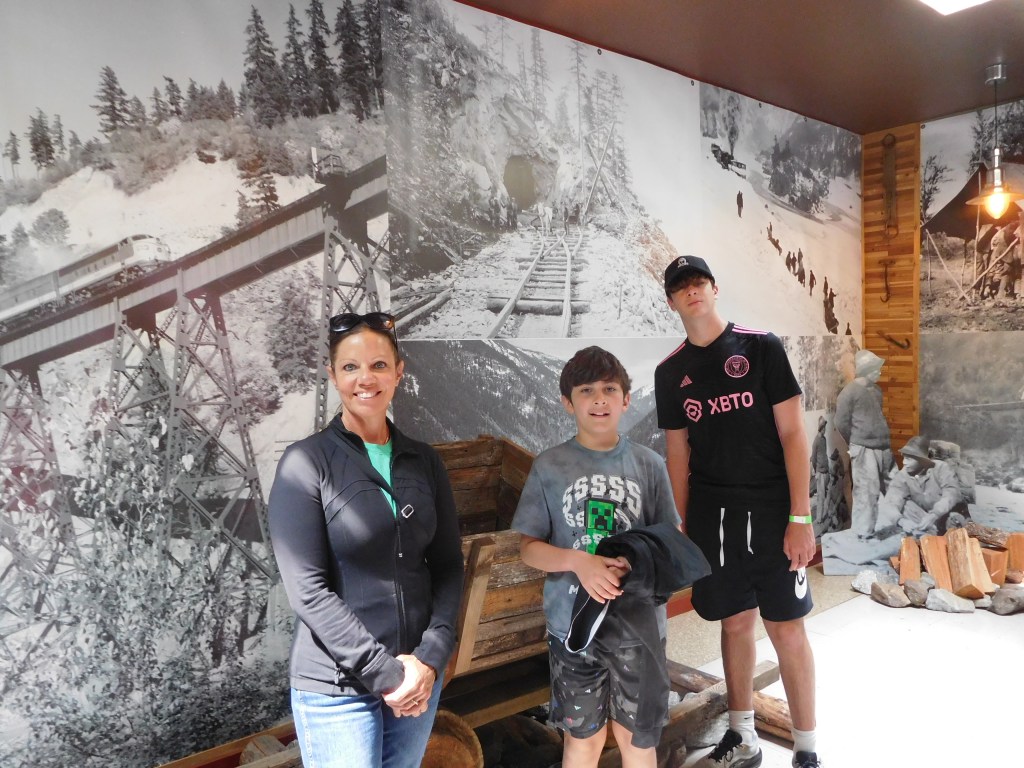
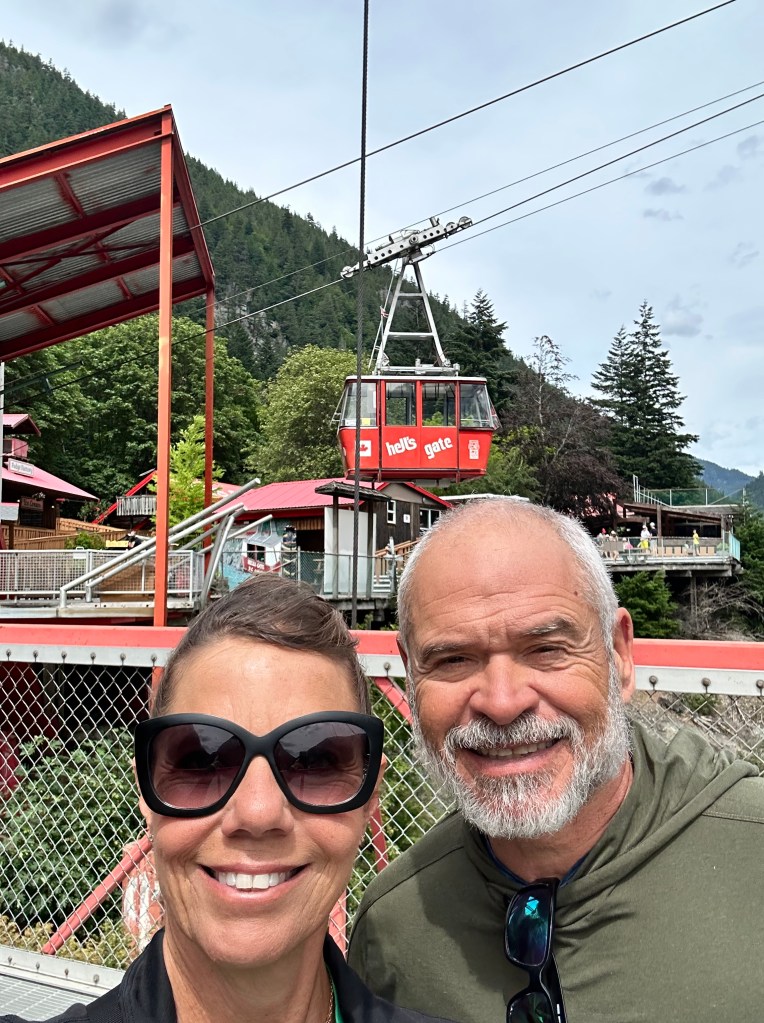
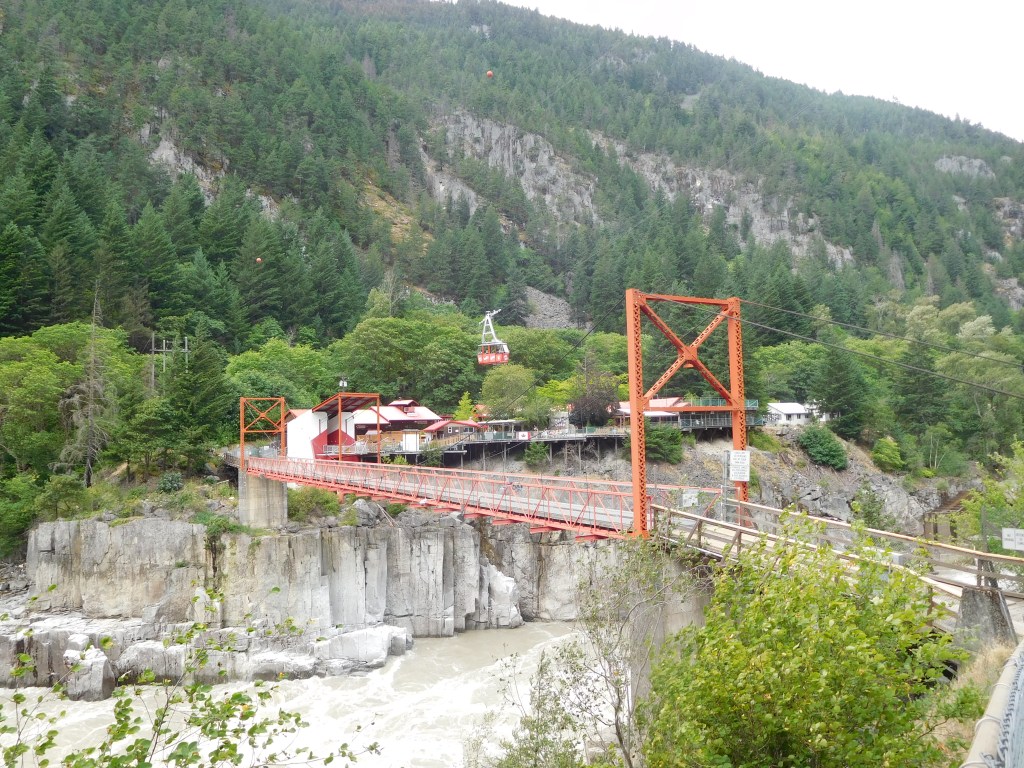
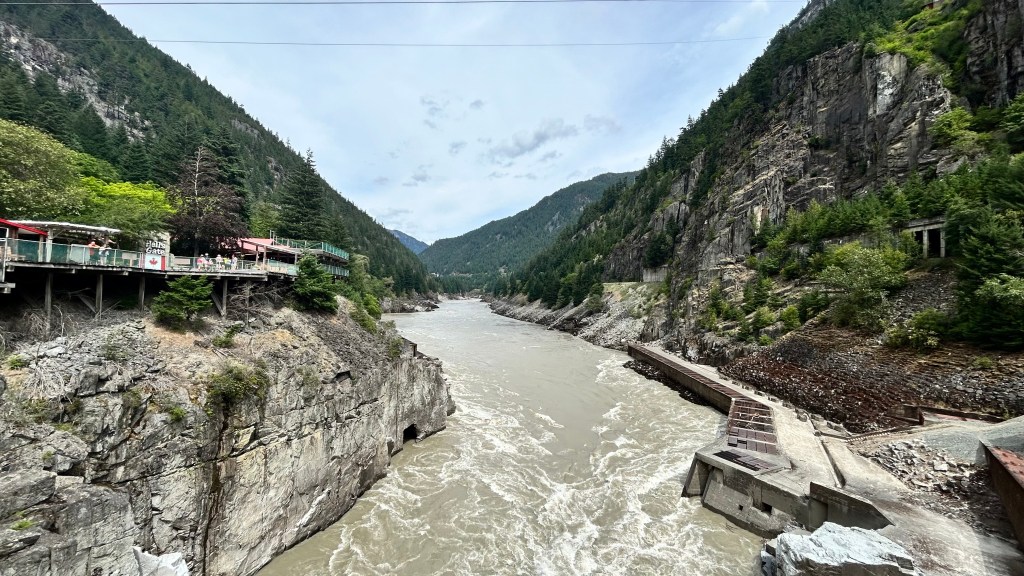
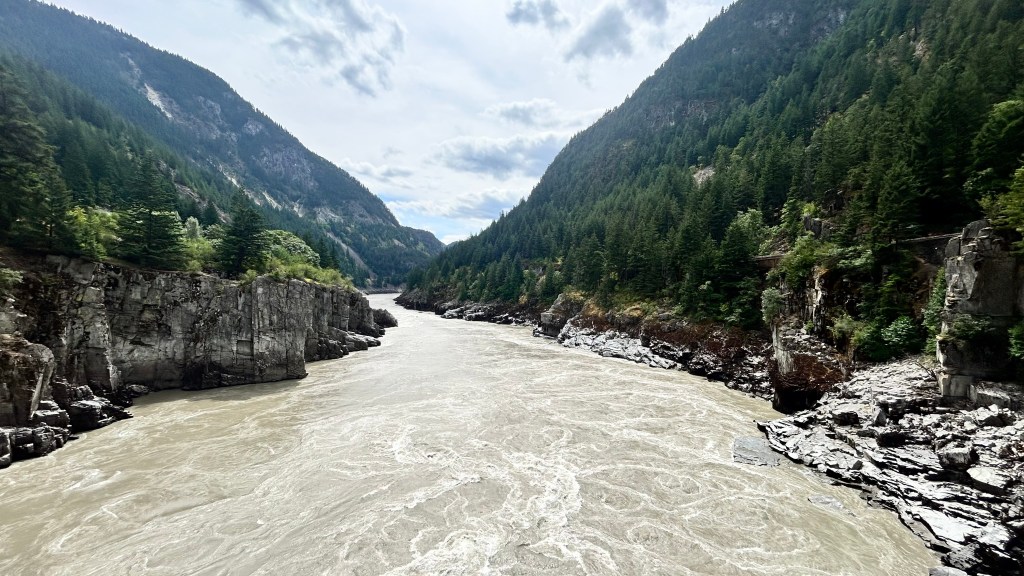
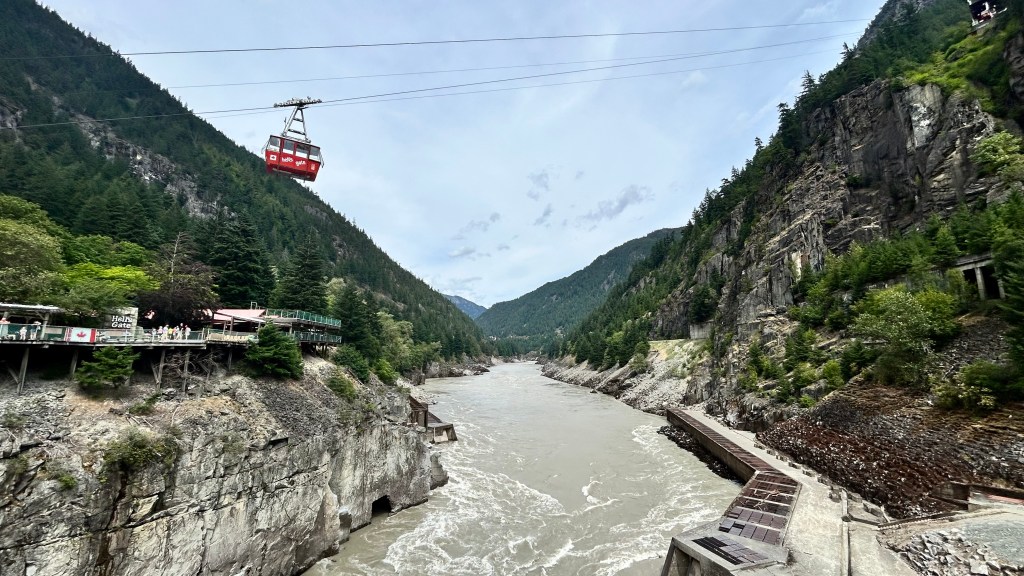
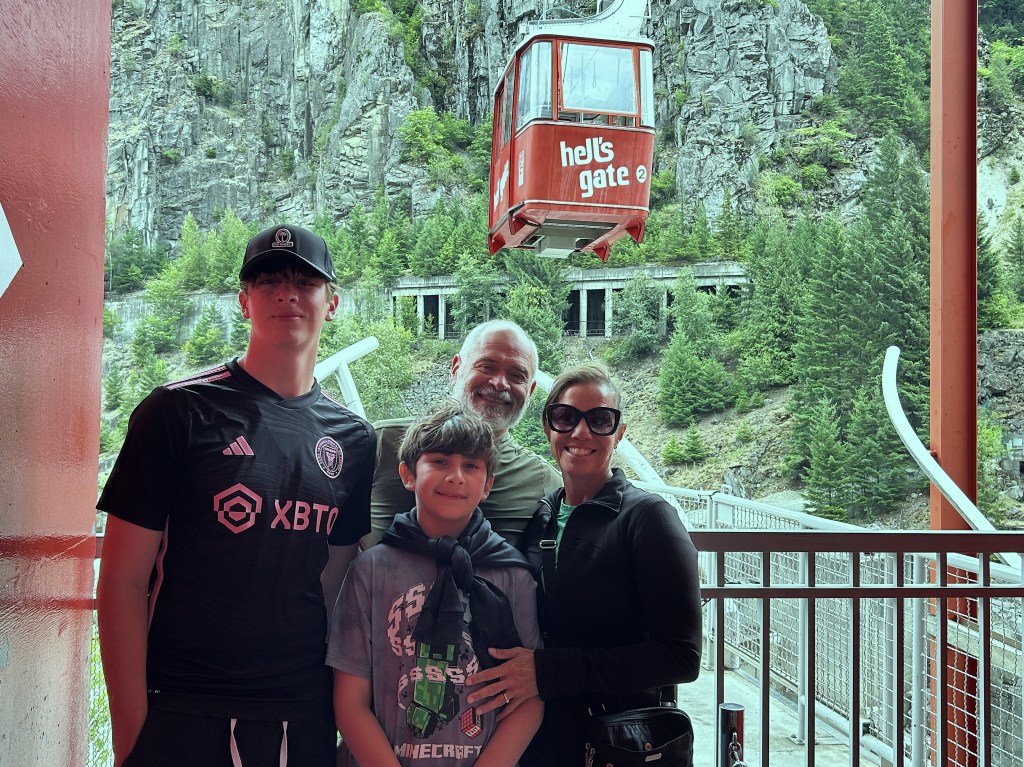
We found a unique point of interest and made it our destination: Hell’s Gate Airtram. We purchased tickets and quickly headed down into the Fraser Canyon. The tram suspends you over the gorge, descending 1,000 feet above the narrowest part of the river, where 200 million gallons of water pass every minute. Once at the bottom, there’s a well-appointed gift shop, a restaurant, and other activities. We visited the small museum dedicated to the salmon industry, learned about the Chinese immigrants’ involvement in the railway’s building, and watched a very informative film on the history of the town of Yale.
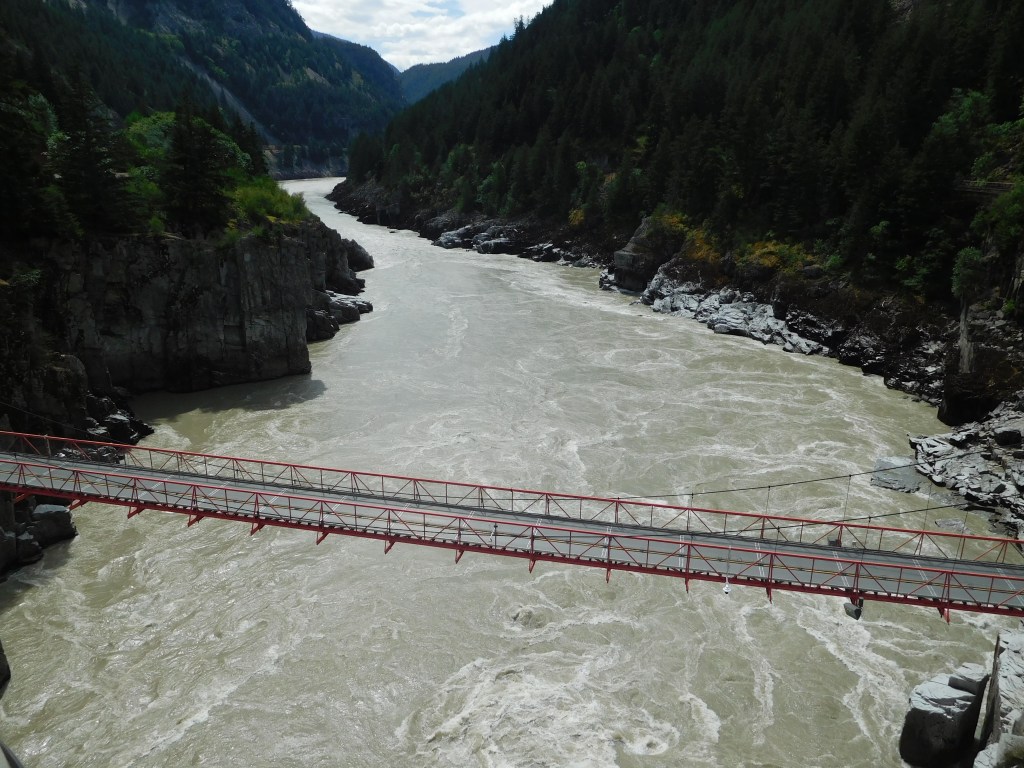
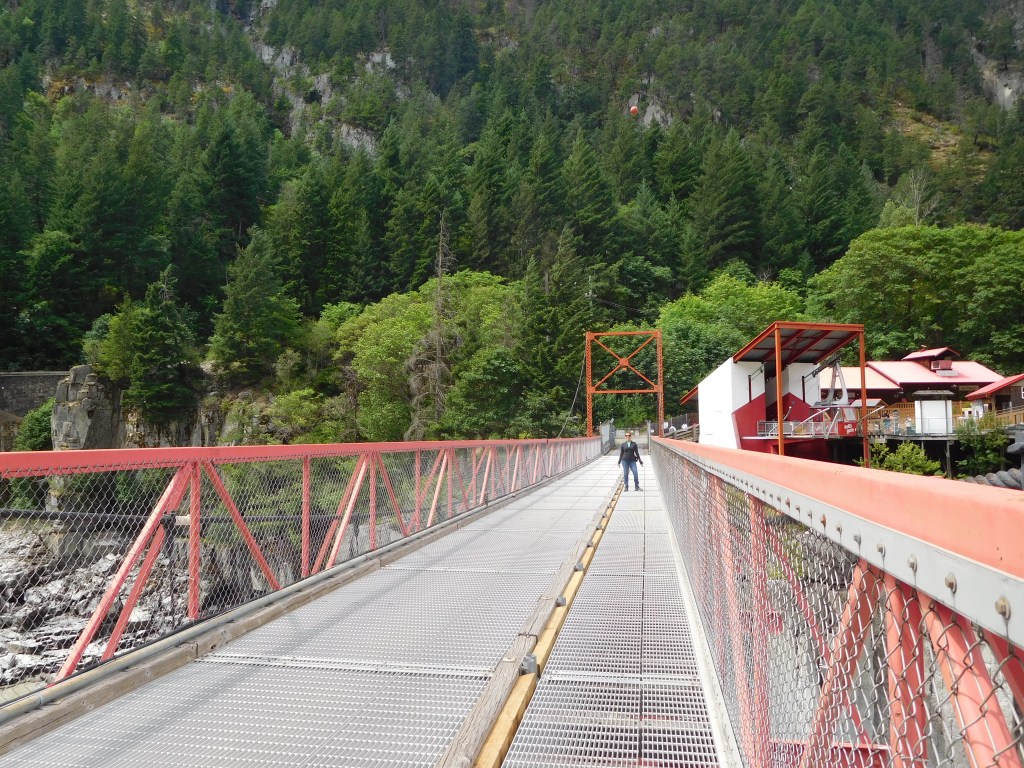
After the exhibits, we went across the suspension bridge. Here, the wind rushing through the canyon is very strong. You can feel the power of the water beneath you and appreciate the engineering involved in the International Hell’s Gate Salmon Fishways, which opened in 1945. In 1913, the Canadian National Railway hewed its way through the Rockies and the treacherous Fraser Canyon. While blasting for the railway’s passage, a rockslide was triggered, which partially blocked the Fraser River at Hell’s Gate. This resulted in a dramatic drop in the salmon run. Thirty years of work by dedicated scientists and several years of construction were required to repair man’s damage. Today, the Hell’s Gate fishways, built by a joint Canadian-United States Commission and completed in 1966, stand as a monument to human dedication and ingenuity. In 1941, only 1,100 fish reached the spawning beds; by 1973, the number had increased to over 250,000 fish, and in 1981, this number had increased again to over 800,000 fish!
While Hell’s Gate Airtram has all the qualities and feel of a tourist trap, it proved to be a great investment in increasing our knowledge of this part of British Columbia. The entrance and ride cost $36.99 for adults and $32.99 for children. While a bit pricey, it was still worth it. When visiting Hope, don’t miss Hell’s Gate Airtram for its breathtaking natural beauty and rich historical insights into the Gold Rush, railway construction, and remarkable salmon conservation efforts. It’s a truly worthwhile experience that beautifully combines stunning scenery with significant heritage.






 Four Itchy Feet
Leave a comment