August 22, 2025. Nagasaki, Japan.
Nagasaki is probably not on your bucket list of places to visit—it wasn’t on ours either. However, if you hope to gain a deeper understanding of Japan’s resilience as a nation and as a people, it is a place you must see.
From the cruise terminal, we walked through Nagasaki’s Chinatown, the oldest in Japan, to board the Number 1 streetcar to the Atomic Bomb sites. A short walk from the station brings you to three significant places: Peace Memorial Park, the Atomic Bomb Museum, and the Hypocenter Monument.

We strongly recommend beginning with the Hypocenter, then moving on to the Museum, and finishing with a walk through Peace Memorial Park. We did the complete opposite but feel that our suggested order leaves you with a more uplifting impression.
The Hypocenter Monument marks the exact spot where the atomic bomb detonated on August 9, 1945. Standing there is both humbling and sobering.

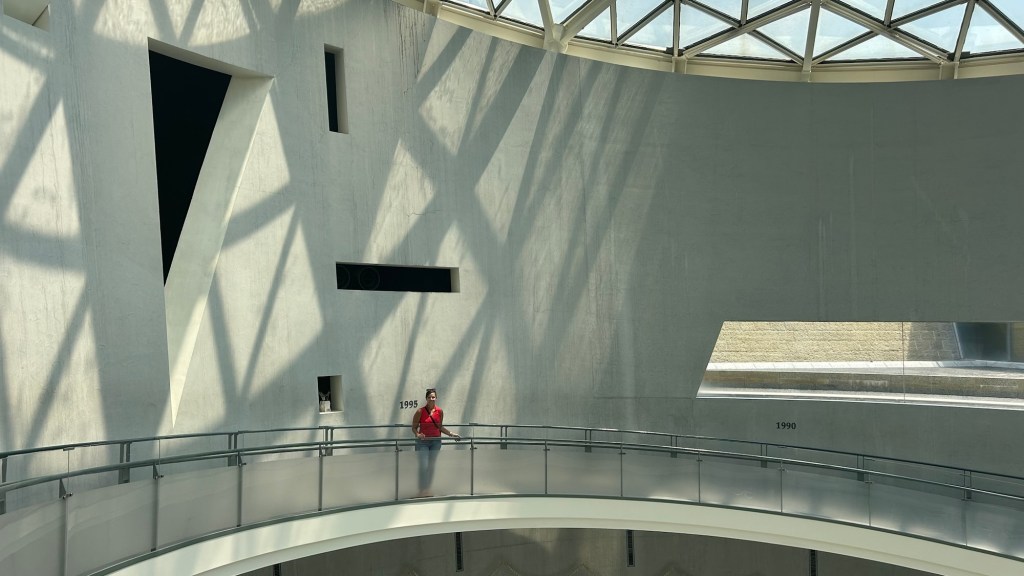
The nearby Atomic Bomb Museum is incredibly immersive. Its collection of artifacts, photographs, survivor testimonies, and scientific research is presented so powerfully that it’s nearly impossible to walk through without tears.


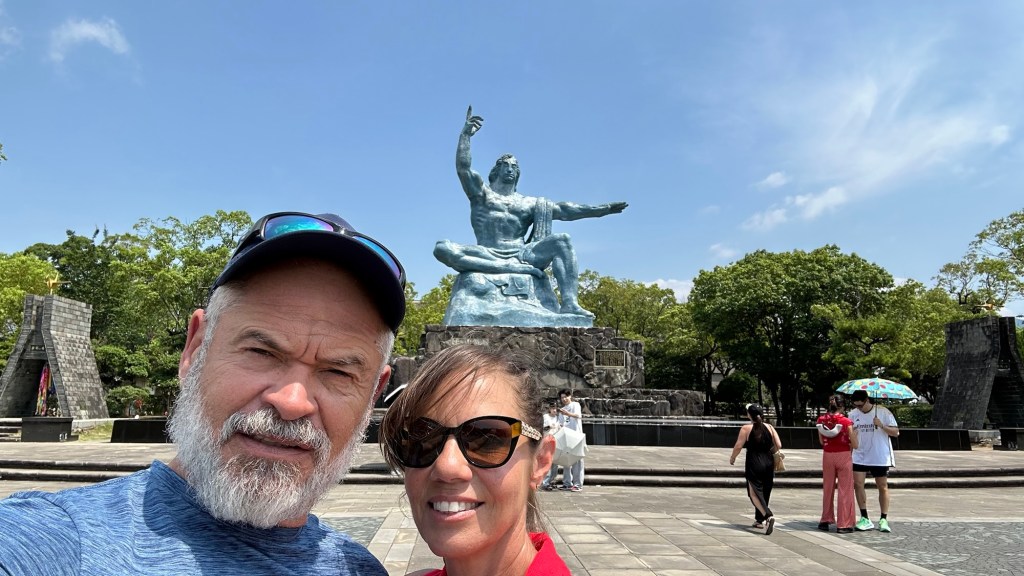
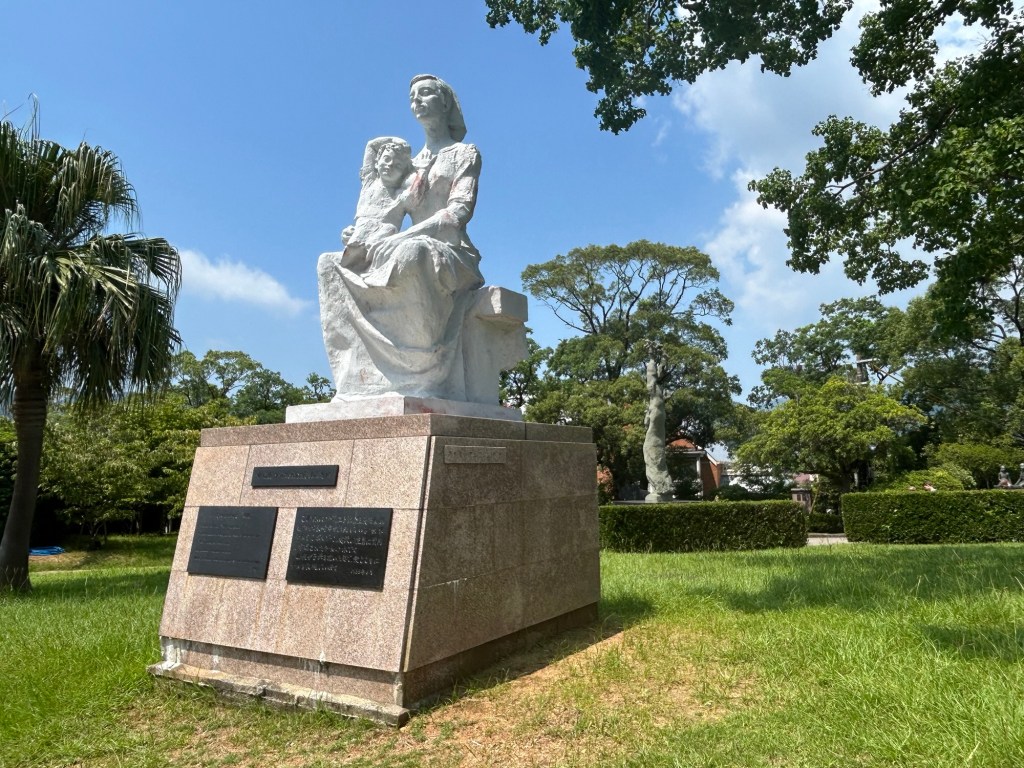
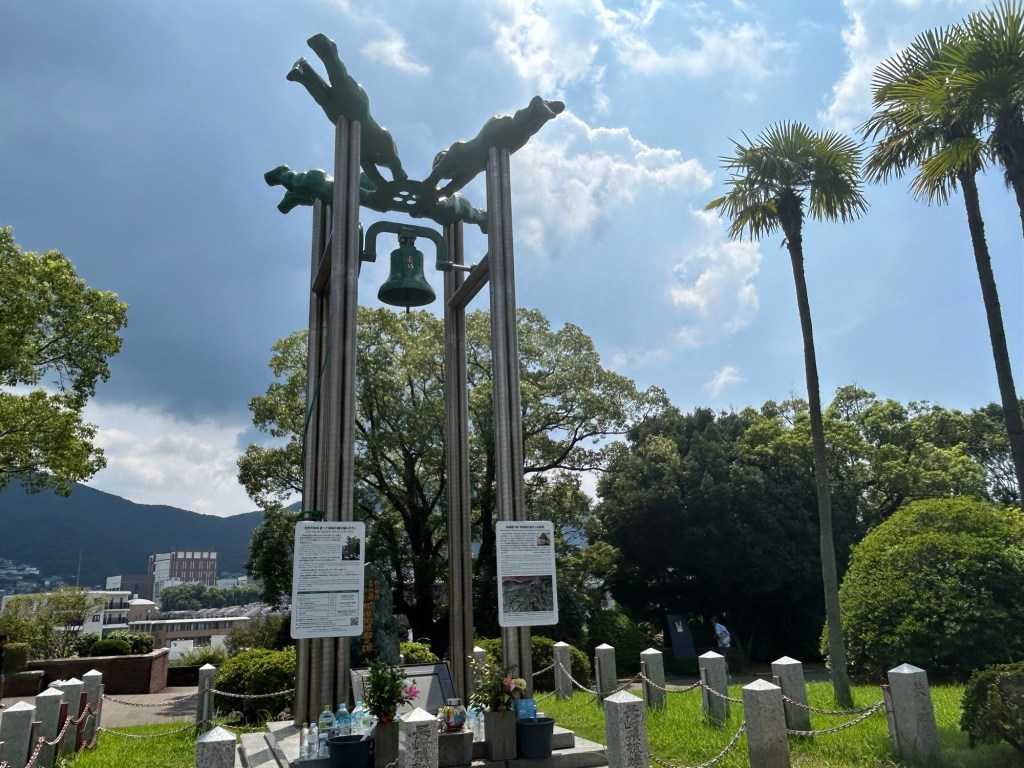
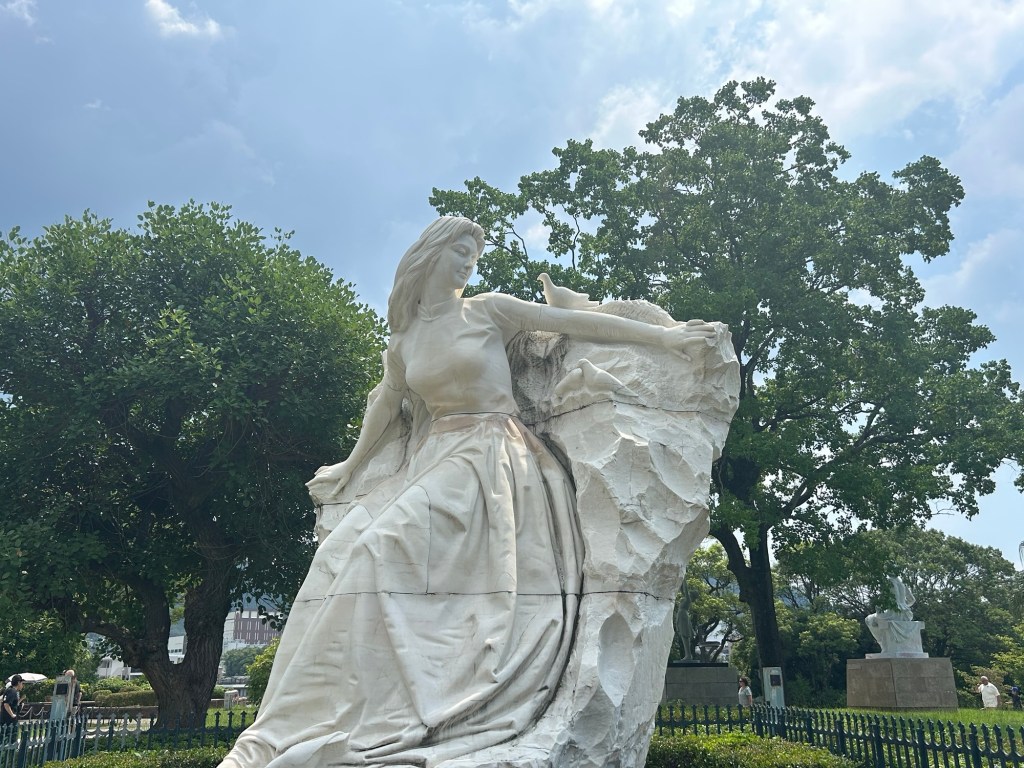
The Peace Memorial Park, by contrast, offers an atmosphere of serenity. Its tranquil surroundings invite quiet reflection and inspire hope for the future of humanity. Scattered throughout the park are monuments and statues donated by countries around the world, all promoting the message of peace. At the center stands the towering Nagasaki Peace Statue, a striking blue figure symbolizing both prayer for the victims and a call for global harmony.

We left Nagasaki with mixed emotions. I couldn’t help but ask myself: Can a place hold pain? If so, Nagasaki surely has reason to. Yet, on our walk back to the ship, I saw a thriving city full of happy, positive, and humble people. Their faces were turned not toward the sorrows of the past, but toward the promise of a bright and hopeful future.







 Four Itchy Feet
Leave a comment