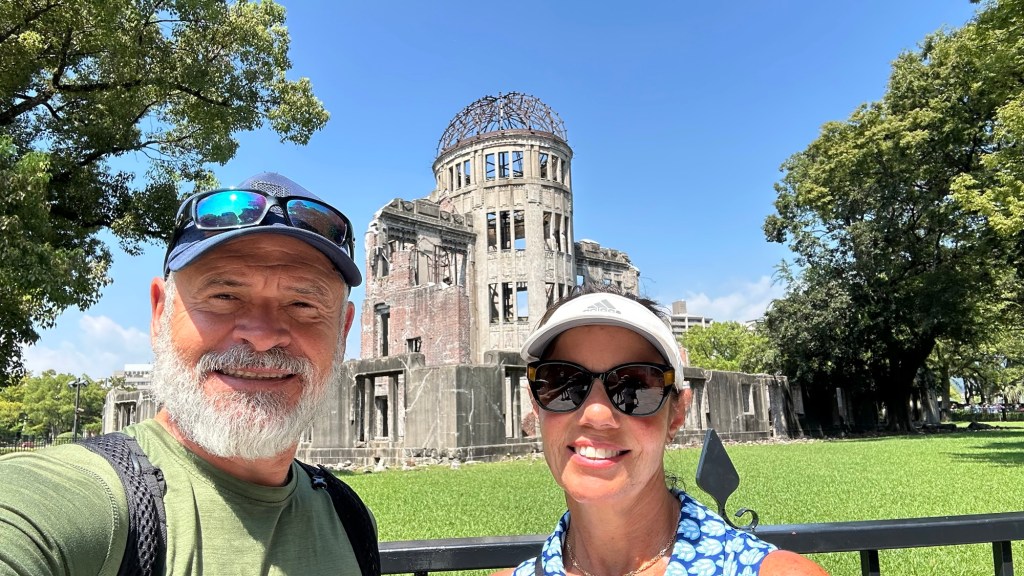
August 29, 2025. Hiroshima, Japan.
We started our day by visiting the Hiroshima Peace Memorial Museum, located within Hiroshima’s Peace Memorial Park. At the entrance, we were greeted by Makiko Yokohama, the daughter of a bombing survivor who is now 94 years old. Remarkably, her father only began speaking about his experiences four years ago, at the age of 90.
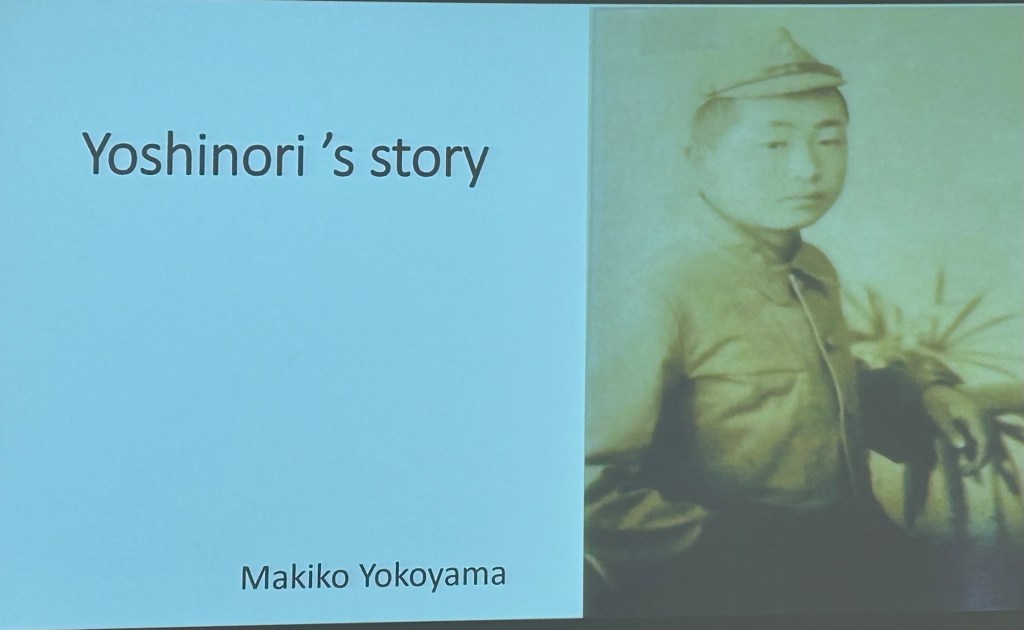
For about 45 minutes, she shared the story of a young boy named Yoshinori, step by step from the moment he felt the blast just 960 meters from the hypocenter. She recounted how he survived, how he later discovered the bodies of his mother clutching his one-year-old brother, and how he cared for his sister as she suffered from severe burns. She also described the lingering effects of radiation sickness that haunted him in the months that followed. Her riveting storytelling transported us back to August 6, 1945, at 8:15 a.m., the exact moment the atomic bomb detonated.
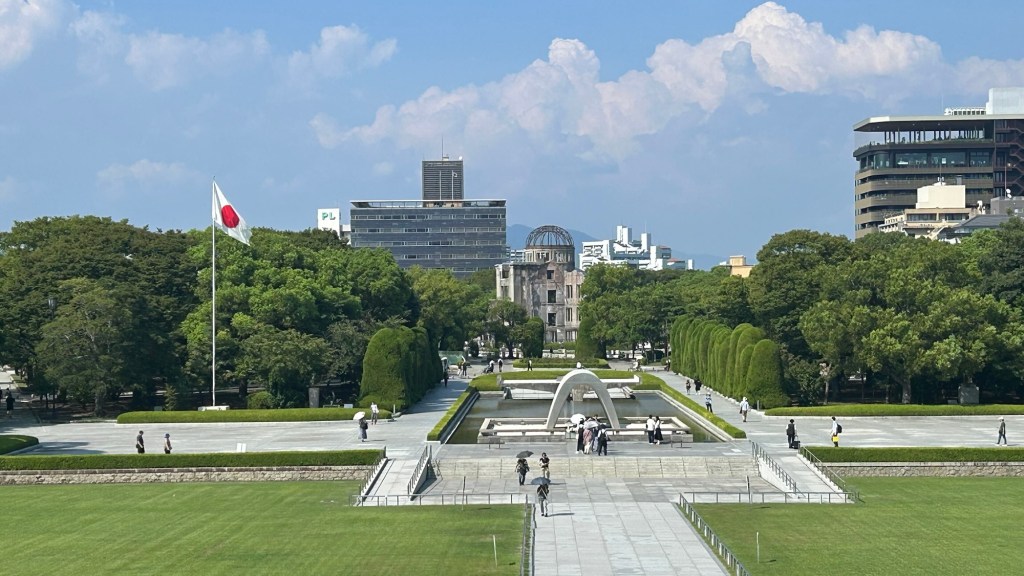
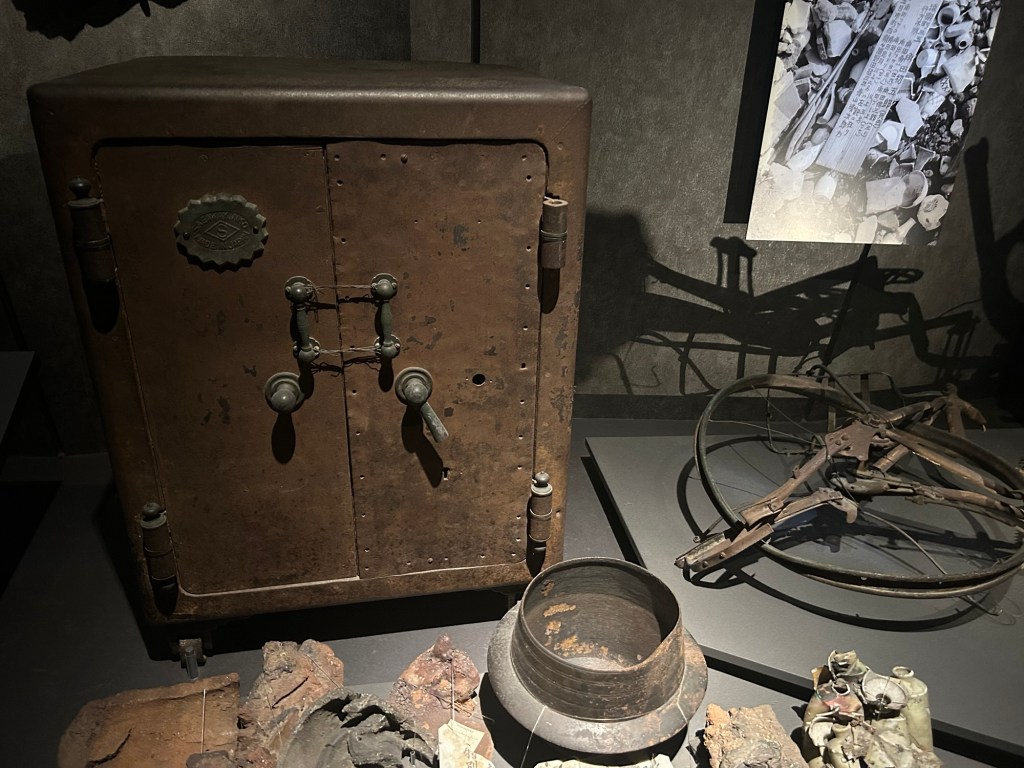
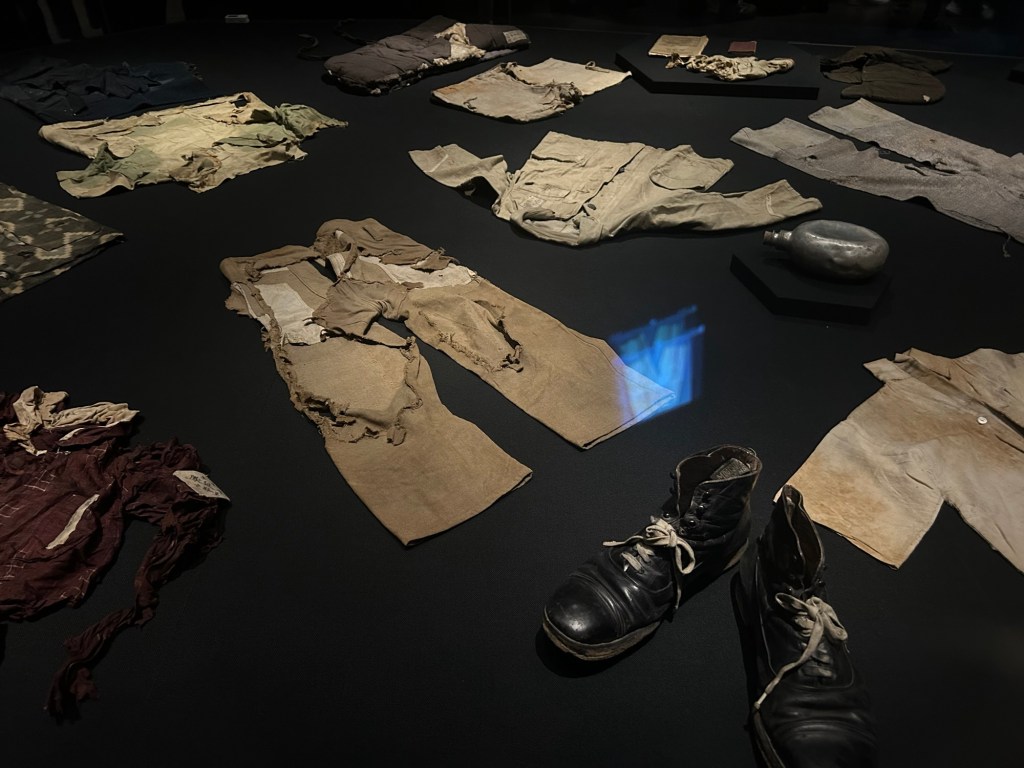
Afterward, we entered the Peace Memorial Museum, where we used the audio guide to explore its exhibits. The museum is a sobering yet powerful place, displaying personal belongings of victims, photographs of the destruction, and detailed accounts of the aftermath. It is both a memorial and a history lesson we will never forget.
Hiroshima, however, is not a city defined solely by tragedy. Walking out of the museum, with images of horror and devastation still fresh in our minds, we found ourselves in the middle of a thriving modern city that has risen from literal ashes. Today, Hiroshima is vibrant and forward-looking, with its people embracing peace as the only path for humanity’s future.
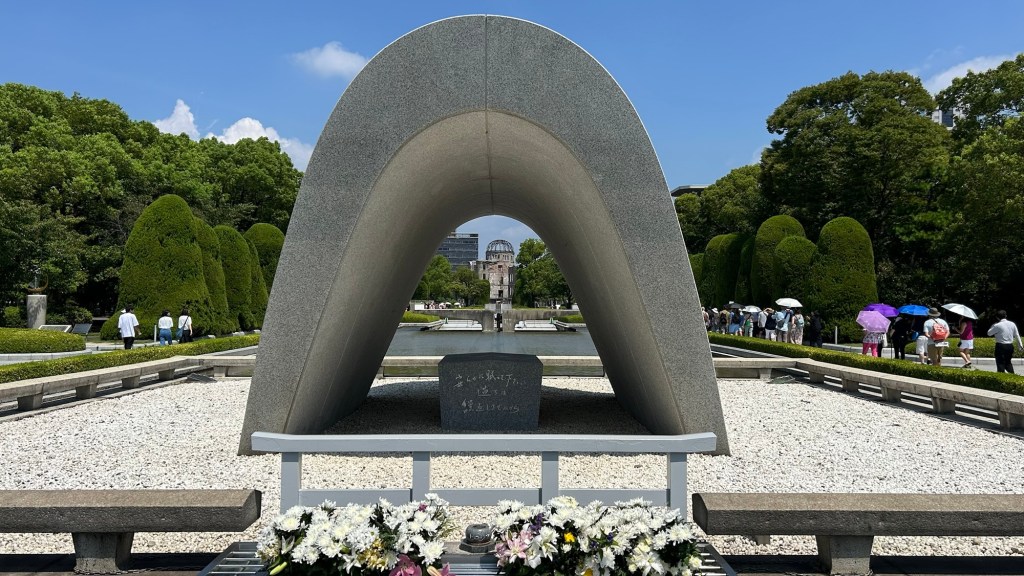
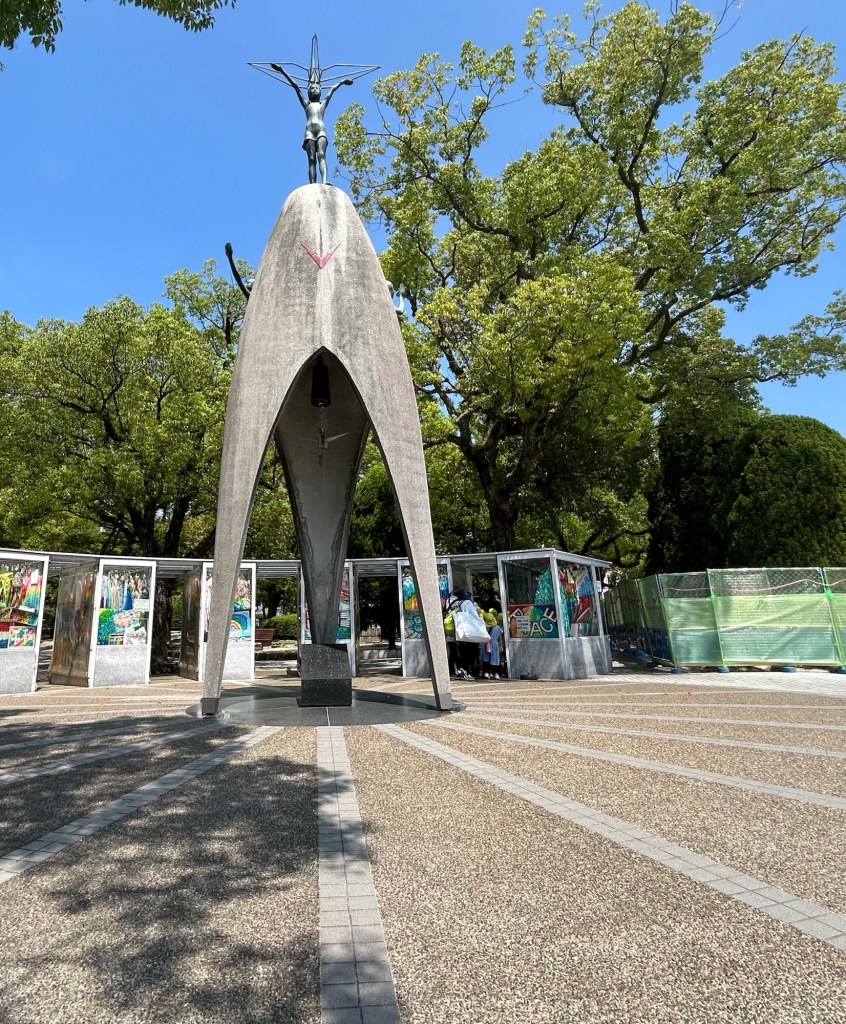
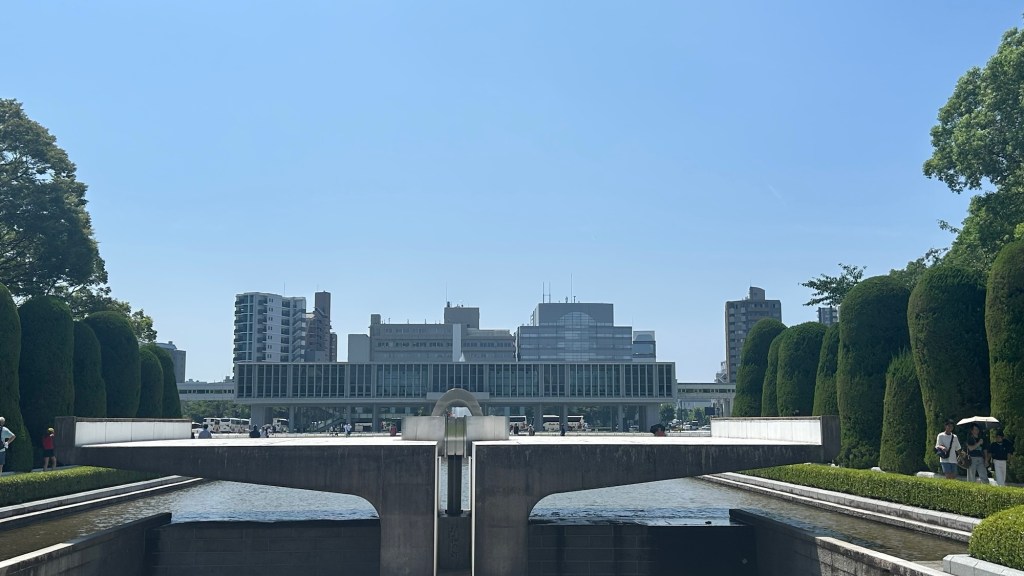
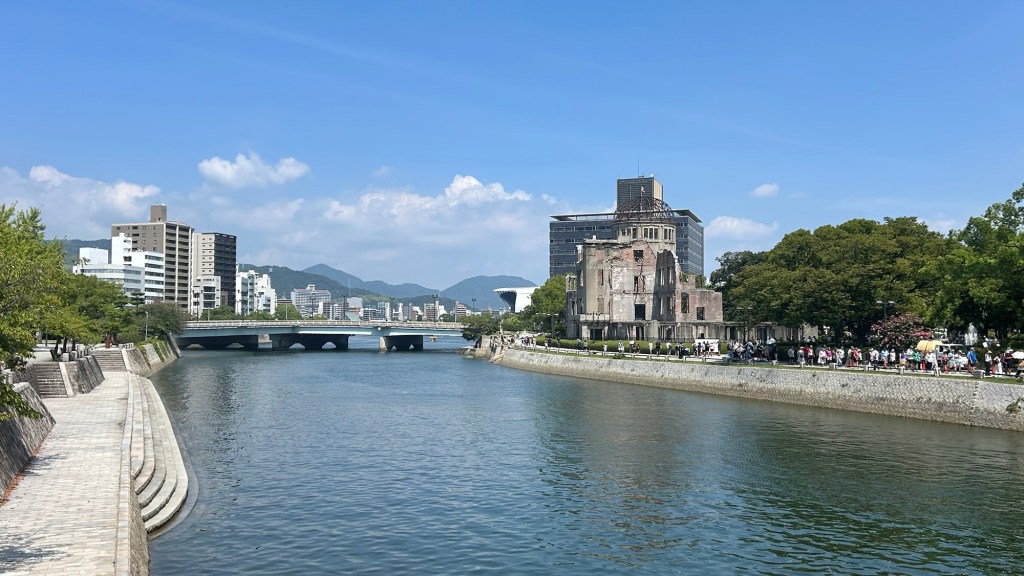
Visiting both Hiroshima and Nagasaki, the only two cities in the world to have suffered atomic bombings, is a profoundly humbling experience. If you wish to understand the resilience of Japan and the global importance of peace, at least one—if not both—should be on your list of places to visit when coming to Japan.





 Four Itchy Feet
Leave a comment