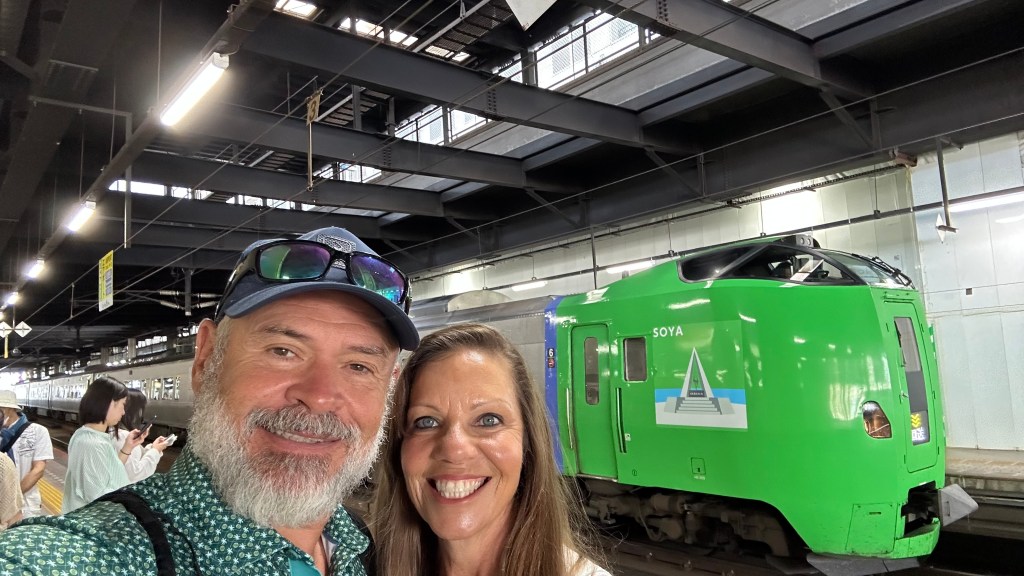
August 6, 2025. Otaru, Japan.
We started our day with a rapid train ride from Sapporo to the port city of Otaru, located on the northern shores of Hokkaido on Ishikari Bay. A gateway to the Sea of Japan, Otaru was built on a foundation of trade and fishing.
Our first stop was the Otaru Canal. We boarded a boat for a tour that provided us with a historical overview of the city, detailing the canal’s construction and Otaru’s development since its beginnings in 1865.
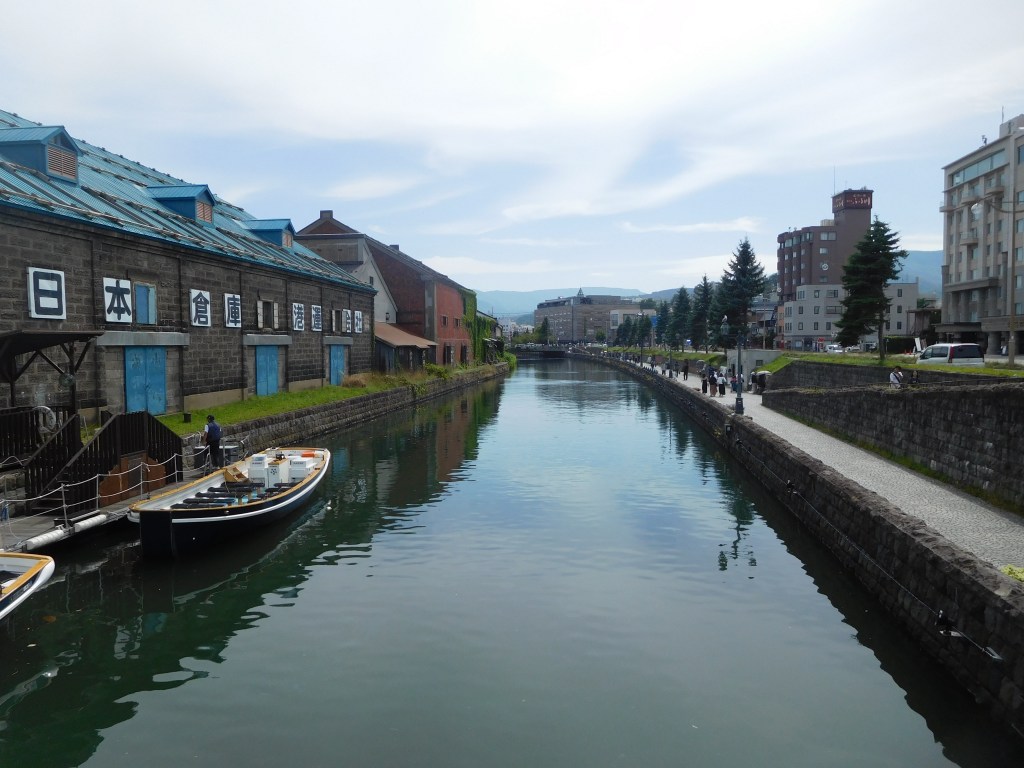
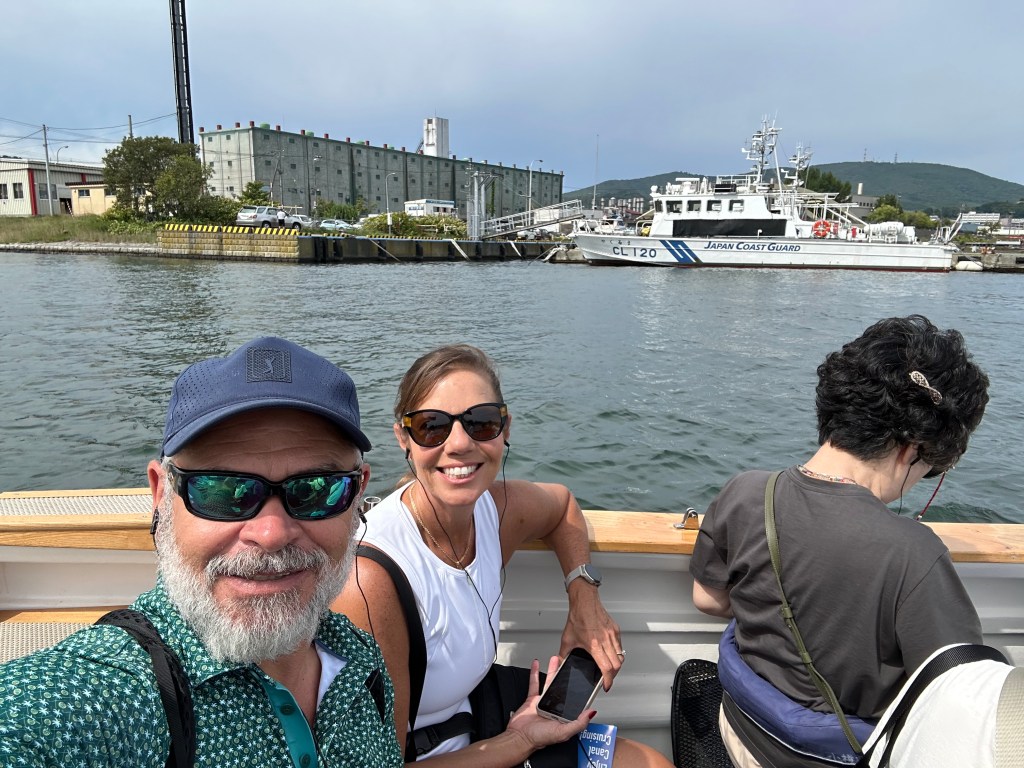
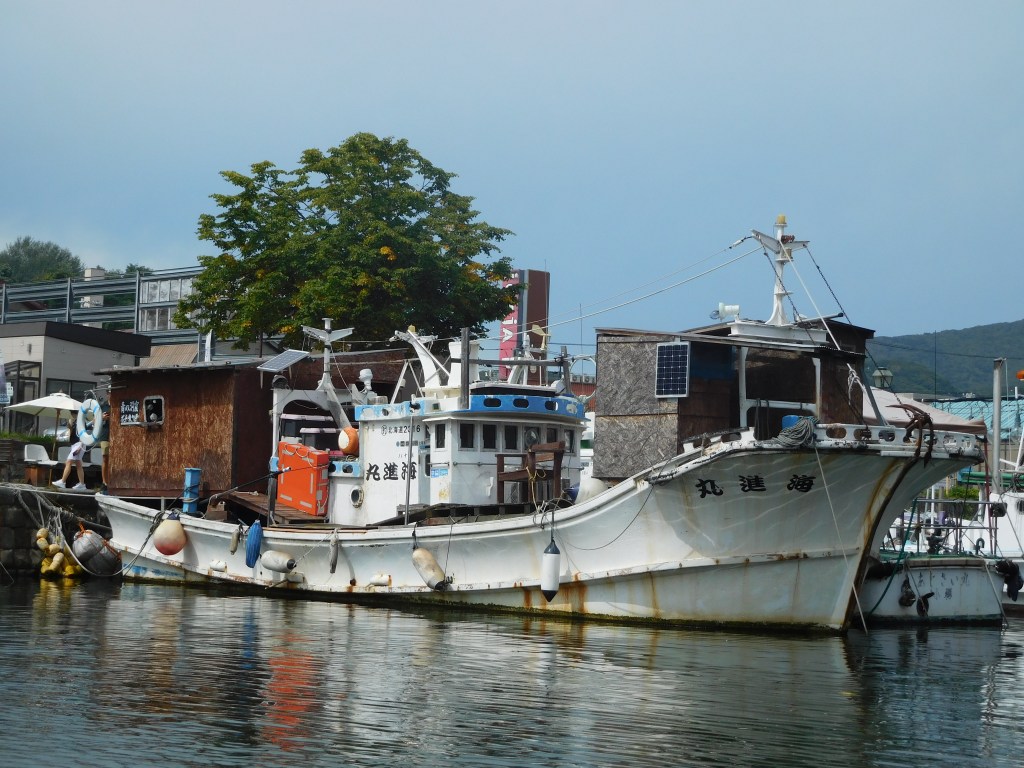
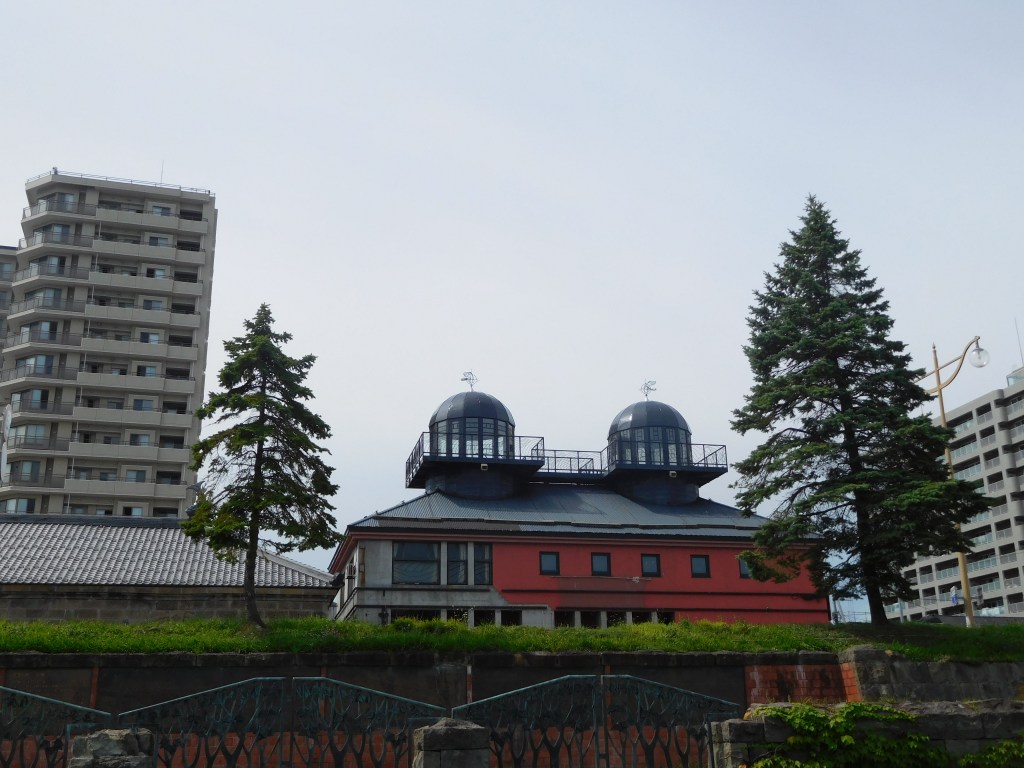
After the boat tour, we enjoyed a leisurely stroll along the canal’s banks, which led us to the Otaru Ukiyo-e Museum. We were in luck, as the museum featured works from some of Japan’s most celebrated artists of the Edo period:
KITAGAWA Utamaro: Known for his elegant portraits of beautiful women.
TŌSHŪSAI Sharaku: Famed for his dynamic and stylized prints of Kabuki actors.
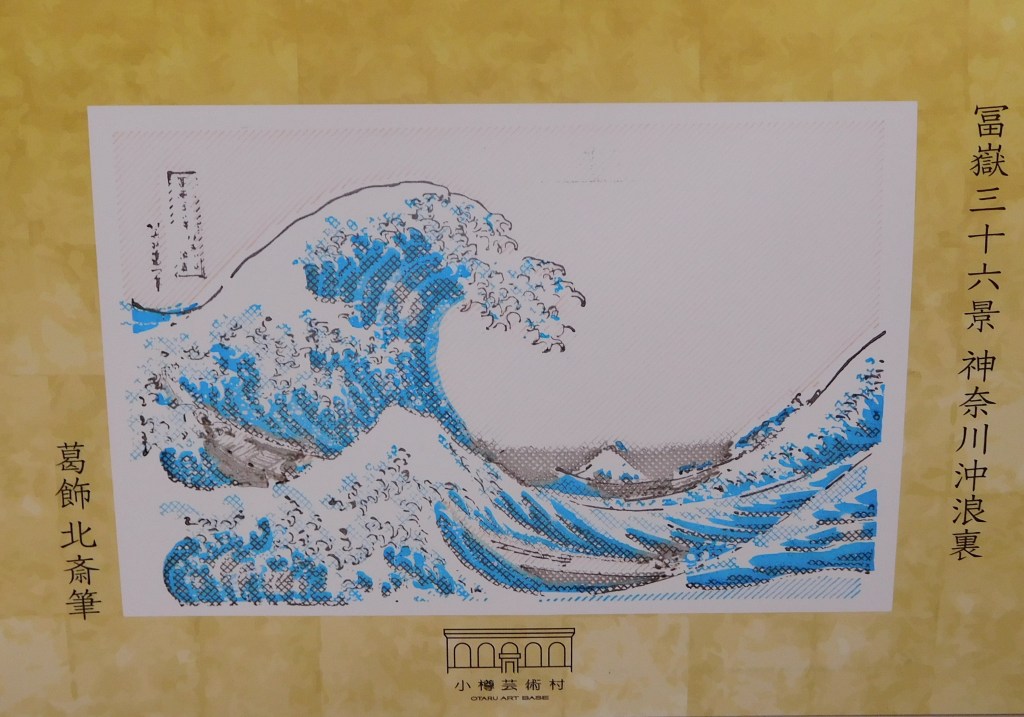
Katsushika Hokusai: The creator of the world-renowned “The Great Wave off Kanagawa.”
UTAGAWA Hiroshige: A master of landscape prints, best known for his series “The Fifty-Three Stations of the Tōkaidō.”
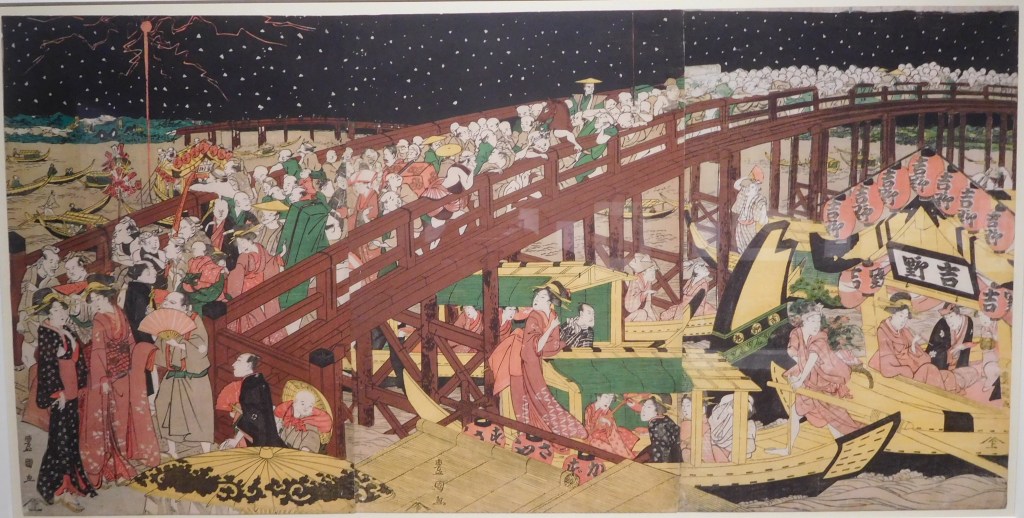
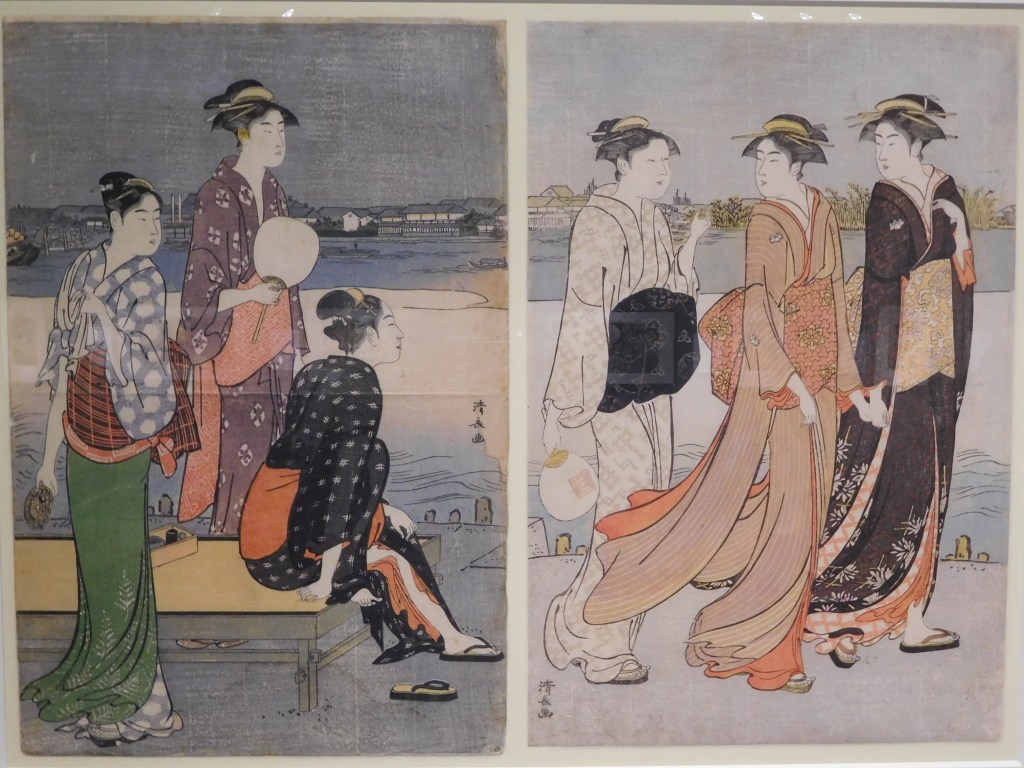
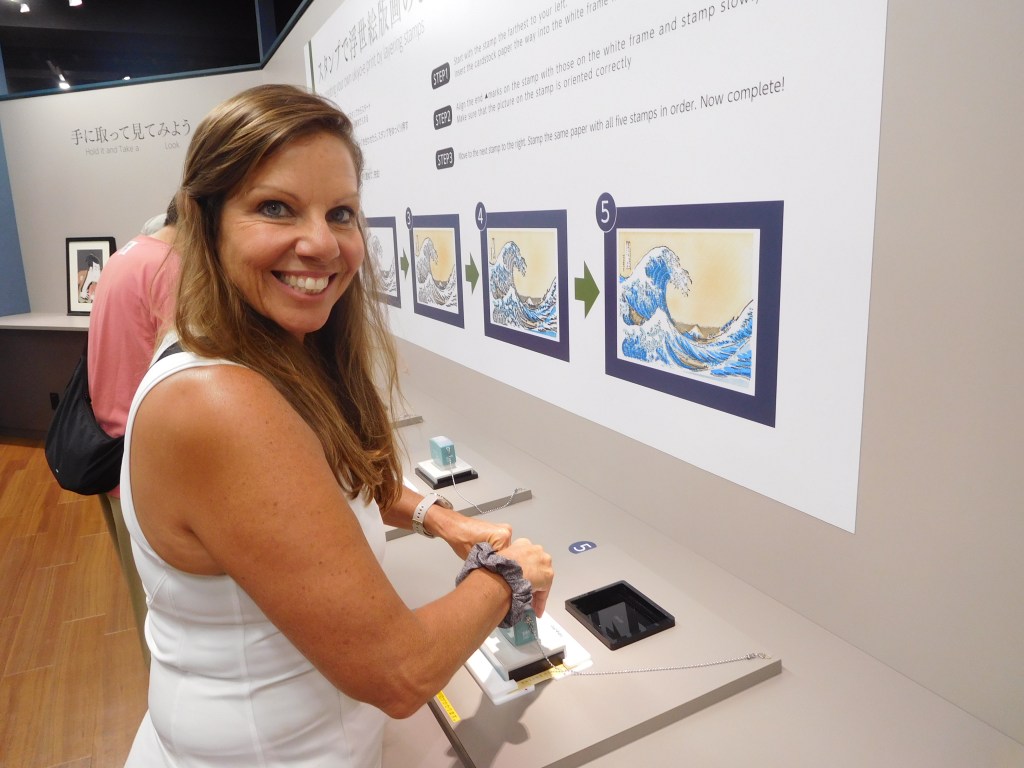
The museum’s collection included a number of pieces from these artists, and we were especially captivated by a video that provided an in-depth explanation of the traditional woodblock printing process. Barbara even try it with beautiful results.
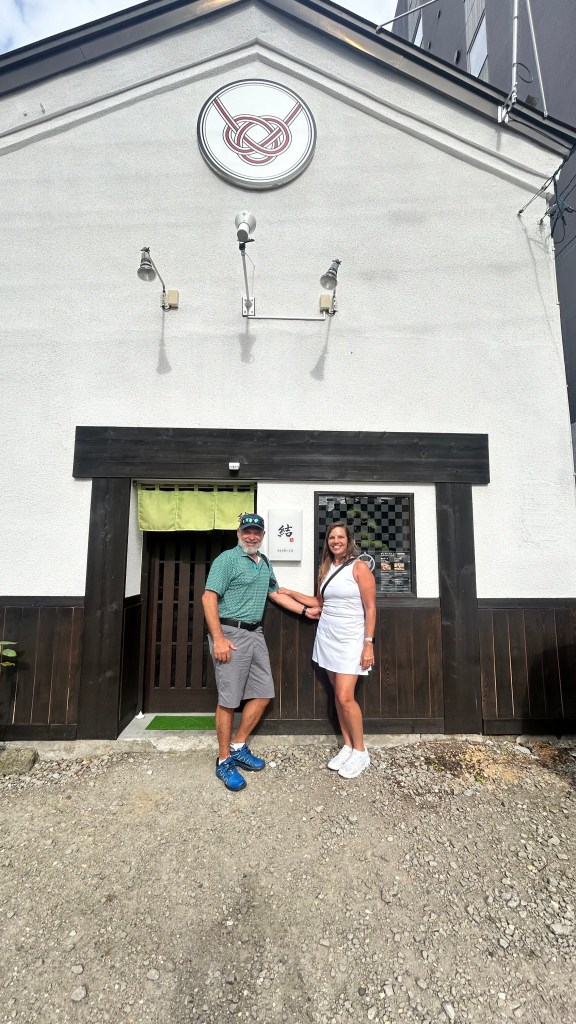
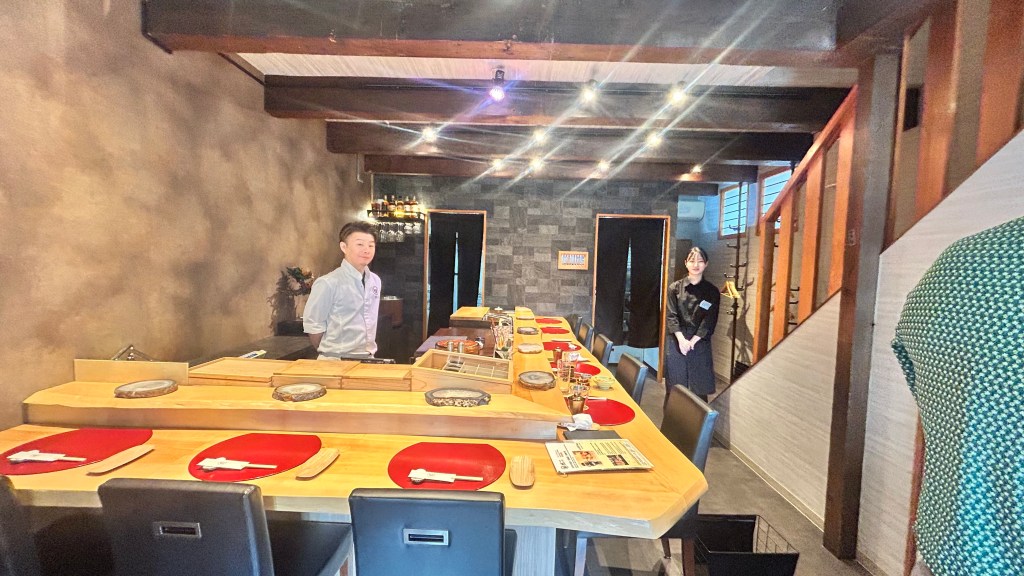
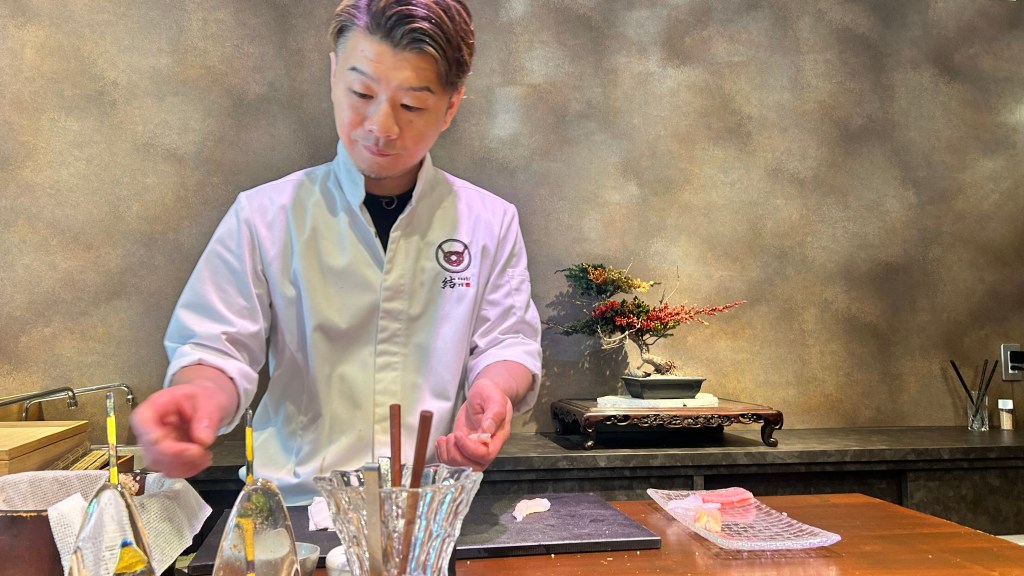
After the museum, it was time for lunch, and Otaru is famous for its sushi. We arrived at Sushi Yu at 2:00 PM, a bit late for the lunch rush, but the waiter asked the chef, who graciously agreed to seat us. We once again opted for Omakase, a chef’s choice selection. The chef first meticulously cut all 11 pieces of selected fish. Then, one by one, he shaped the rice, added a dab of wasabi, brushed on soy sauce, and carefully placed each piece in front of us. Words can’t describe how exquisitely prepared and delicious every single piece was. He prepared each new piece as soon as we finished the previous one, making it an unforgettable culinary journey.
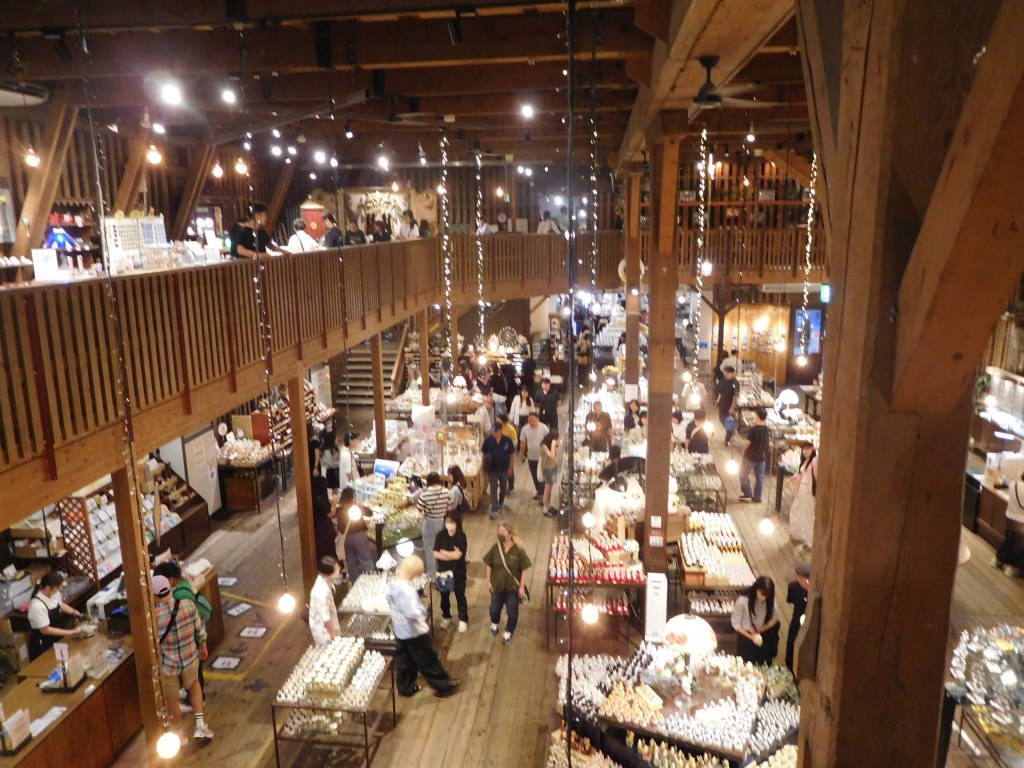
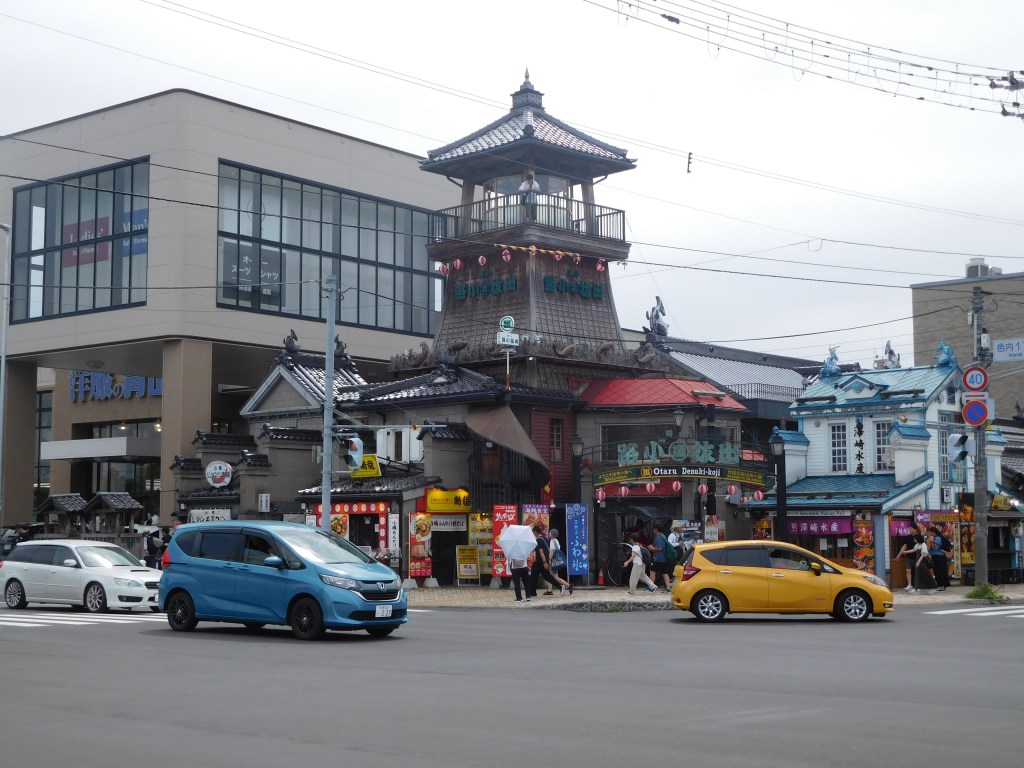
We decided to head back to a different train station, which took us through Otaru’s main tourist avenue. The streets were bustling with visitors from the Nippon Maru, a famous Tokyo-based cruise ship that had arrived in port earlier that morning. We explored shops featuring glassware and souvenirs and browsed the local food courts. The most memorable stop, however, was the Otaru Music Box Museum. There were thousands upon thousands of music boxes of every imaginable size, with prices ranging from just $10 to $150,000.

Otaru is slightly off the beaten path but easily accessible from Sapporo via the rapid train service. It was a wonderful visit and a place we could have easily spent two or three days. We would consider it a must-visit destination for anyone traveling to Hokkaido.







 Four Itchy Feet
Leave a comment