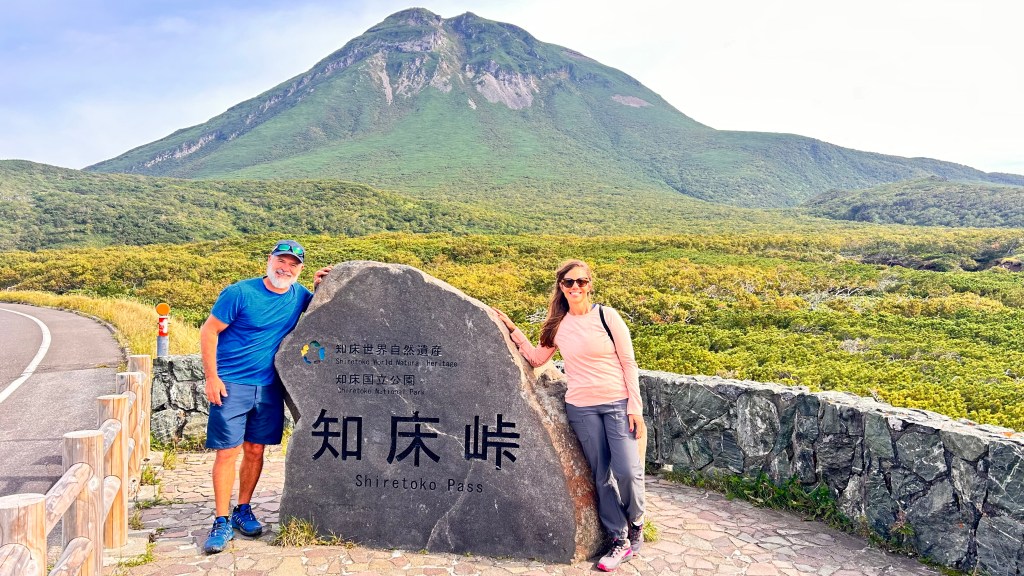
September 12, 2025. Shiretoko, Japan.
Today, we embarked on an exploration of Shiretoko National Park. The journey began by traversing the sole mountain pass in the heart of the Shiretoko Peninsula, which leads to the Pacific Ocean and the town of Rausu.
Our first stop was the Shiretoko Nature Center, a large and well-staffed facility that serves as one of several visitor centers within the park. These centers are excellent resources, providing abundant information and guidance to visitors.
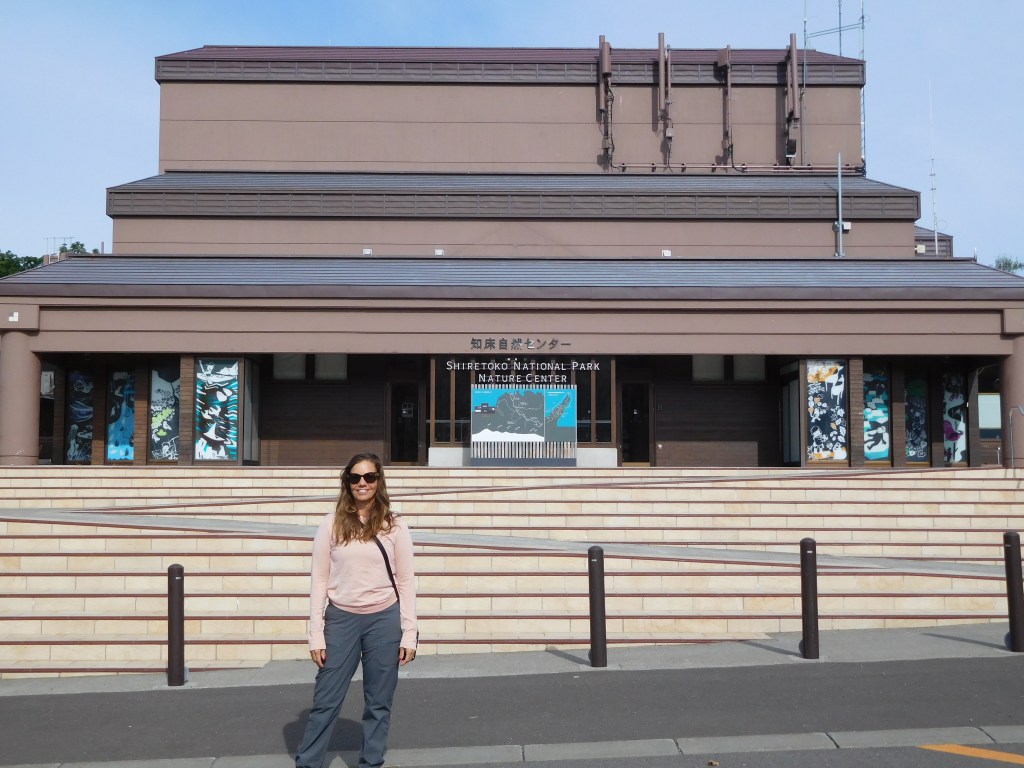
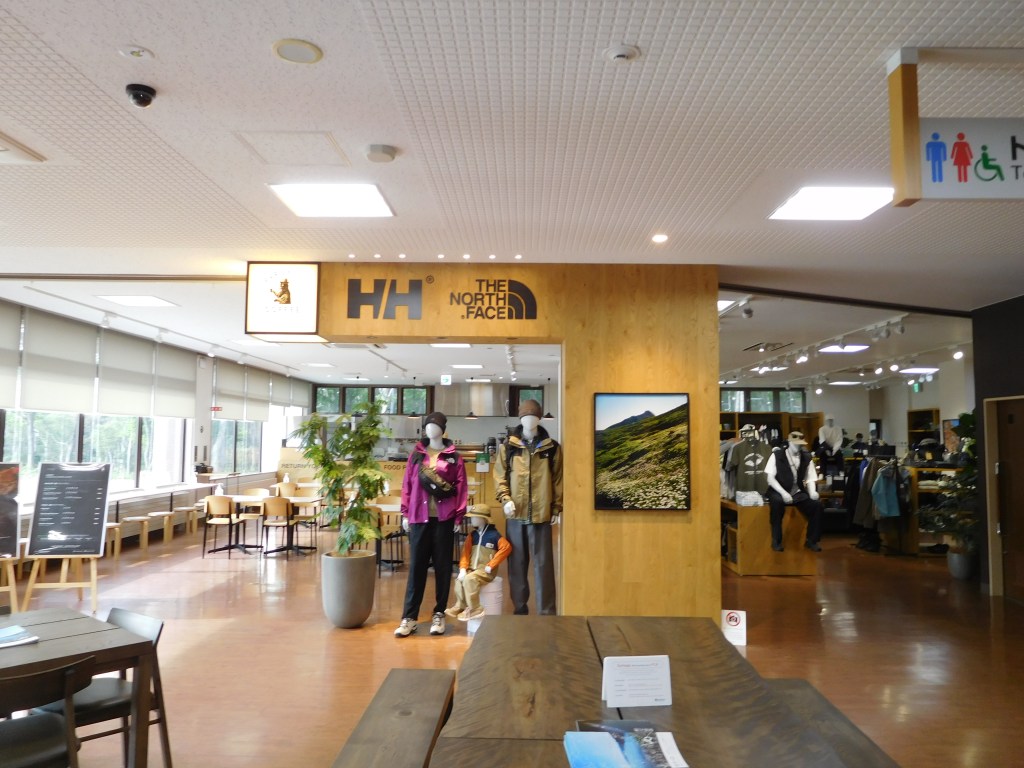
A particularly unique activity available from the center is climbing the Kamuiwakka Hot Waterfalls. Participants are required to rent special shoes and a helmet and attend a safety briefing before beginning the climb. Unfortunately, the falls were closed to the public today due to a bear sighting. (More on Ezo Brown Bears later.)
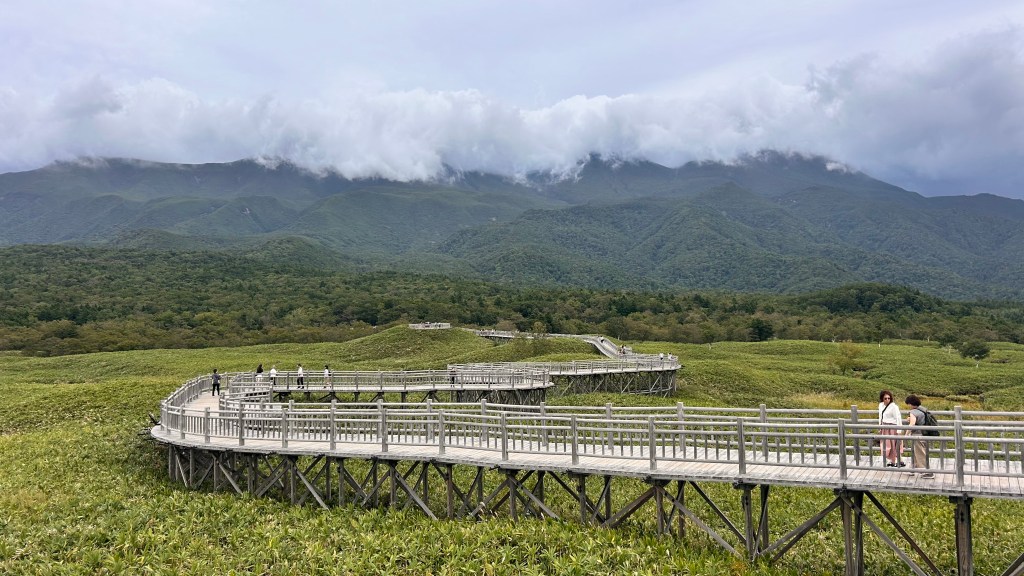
After leaving the Nature Center, we turned onto the pass road, heading southeast toward the Goko Lakes. This area offers two distinct trails that lead into a protected park preserve and provide stunning views of the five lakes. One trail is an elevated boardwalk, offering protection from bears with electric fencing. The longer ground-level path requires visitors to attend a 15-minute presentation on bear safety. There is legitimate concerns as the number of aggressive encounters between humans and bears in Shiretoko is on the rise, leading to a fatal encounter just a month ago. We felt relatively safe in the large group taking on the path They were all carrying bear bells of all sizes and tunes, we figured we would be walking in the midst of a bell orchestra that would torment any bear within a mile. Despite our careful observation, the only wildlife we encountered was a Sika deer blocking our way.


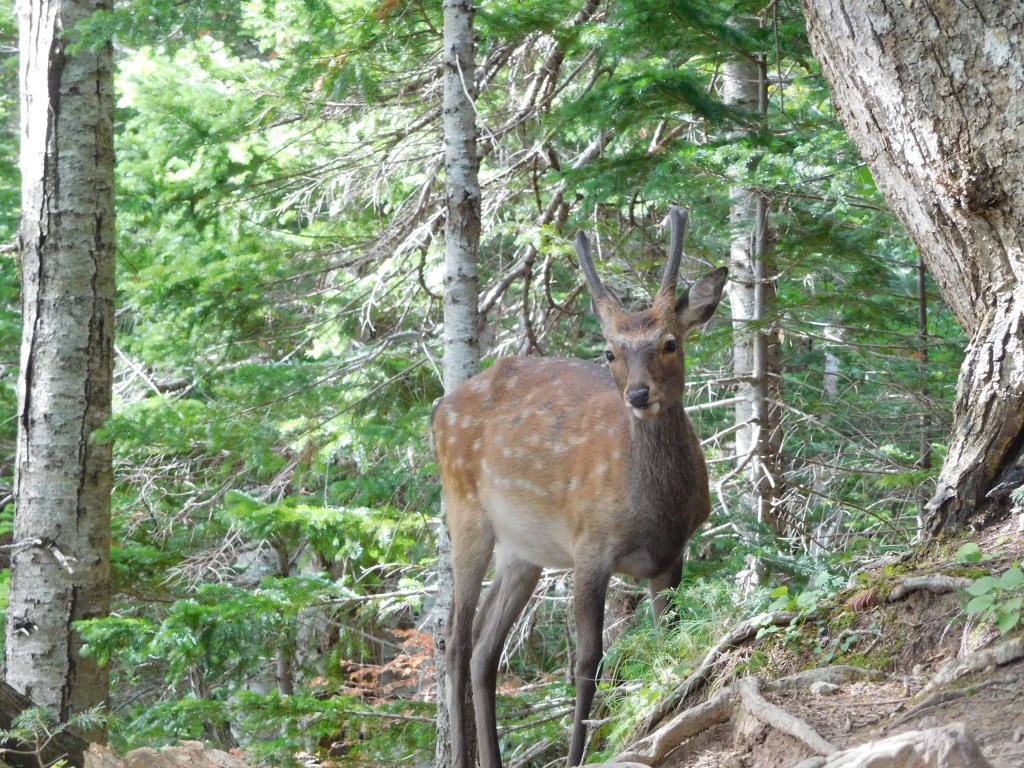

Continuing our journey southeast from the lakes, we made our way to the town of Rausu, stopping for a picture of the mountain along the way. Rausu, a town with the feel of a fishing village, appeared to be wrapping up its fishing season, with most fishermen busy gathering and storing their nets. The main source of income from the sea in Rausu seems to be the harvesting of Kombu, or kelp. They cultivate it on long lines suspended underwater and then process it for use in various Japanese dishes.

As we meandered along the rugged seashore toward the Pacific Ocean, we stopped to admire the many waterfalls. One of the most unique sights was Kunashir Island, the southernmost Russian island that remains under their control but is also claimed by Japan as its territory.
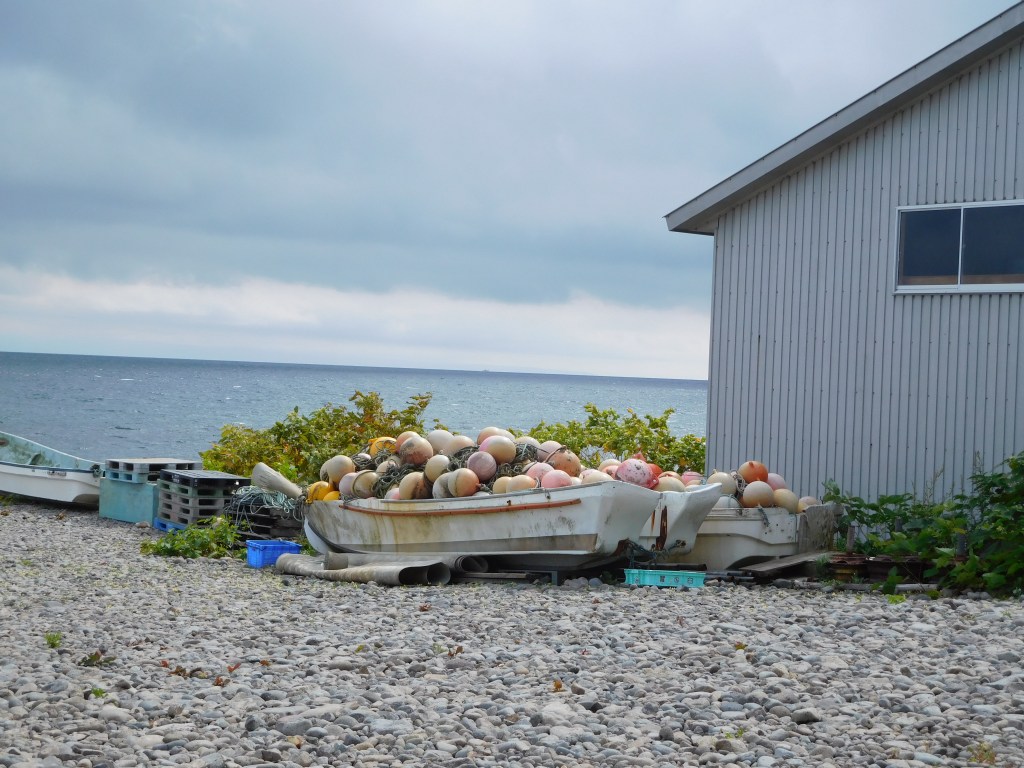
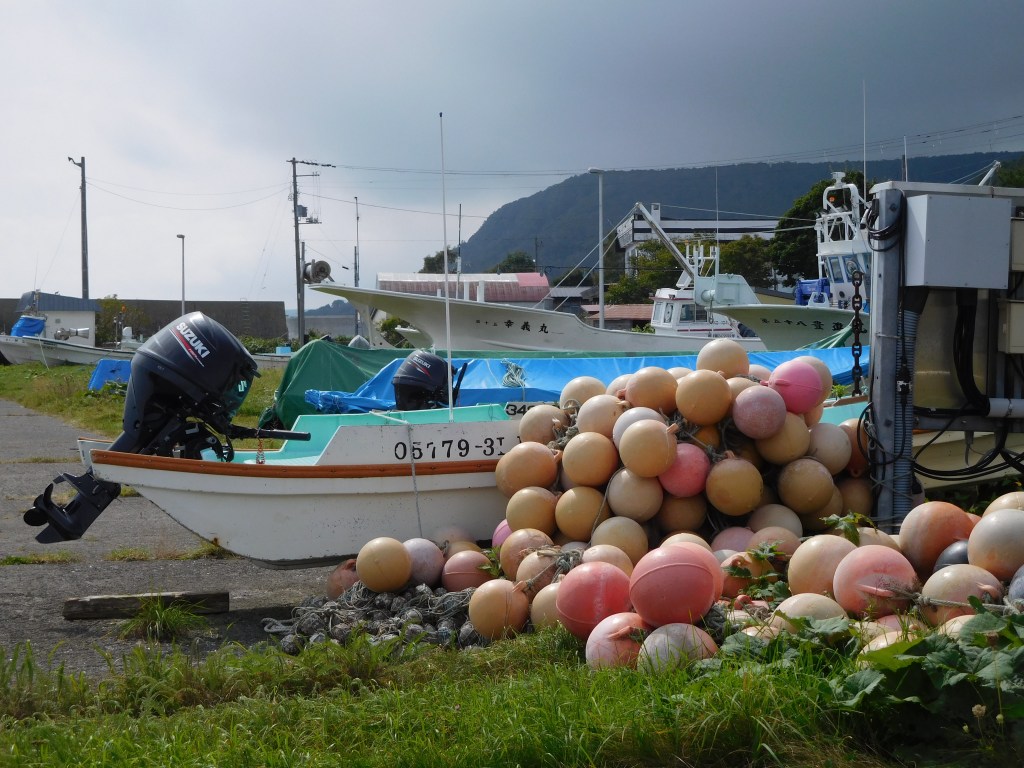
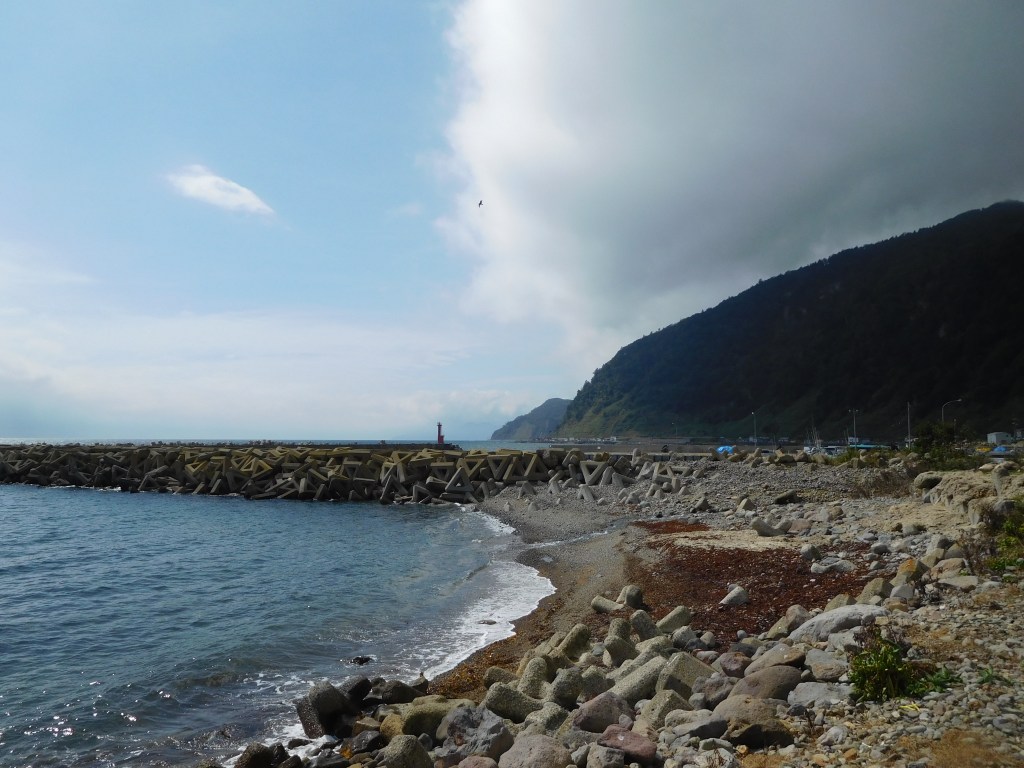

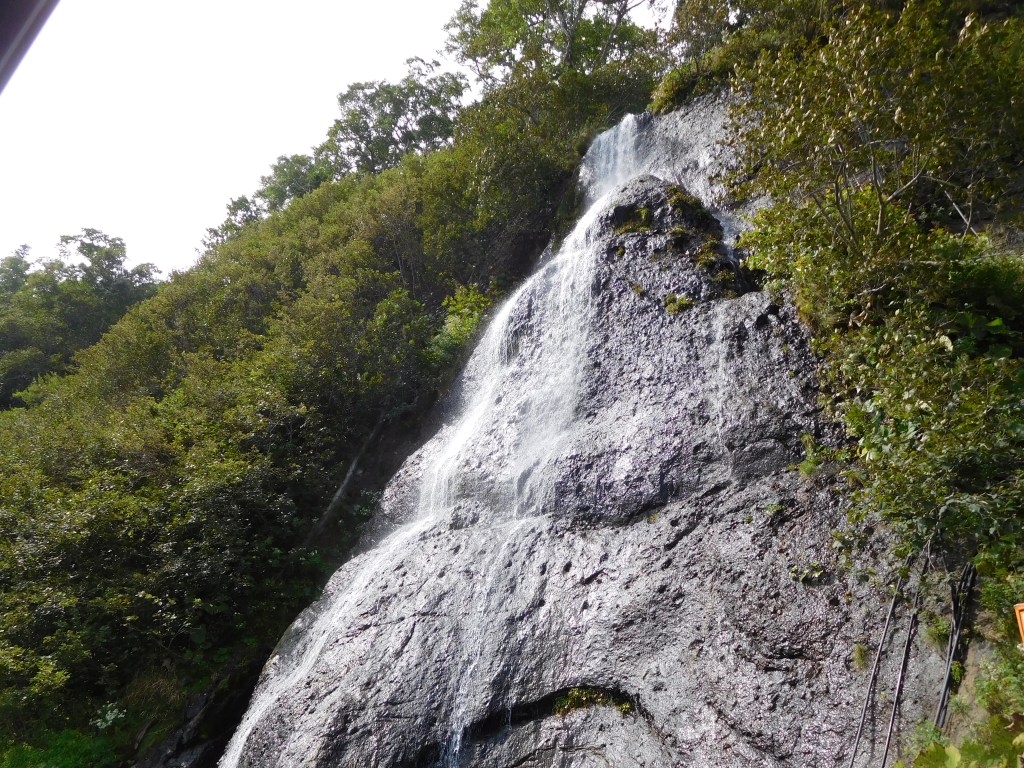
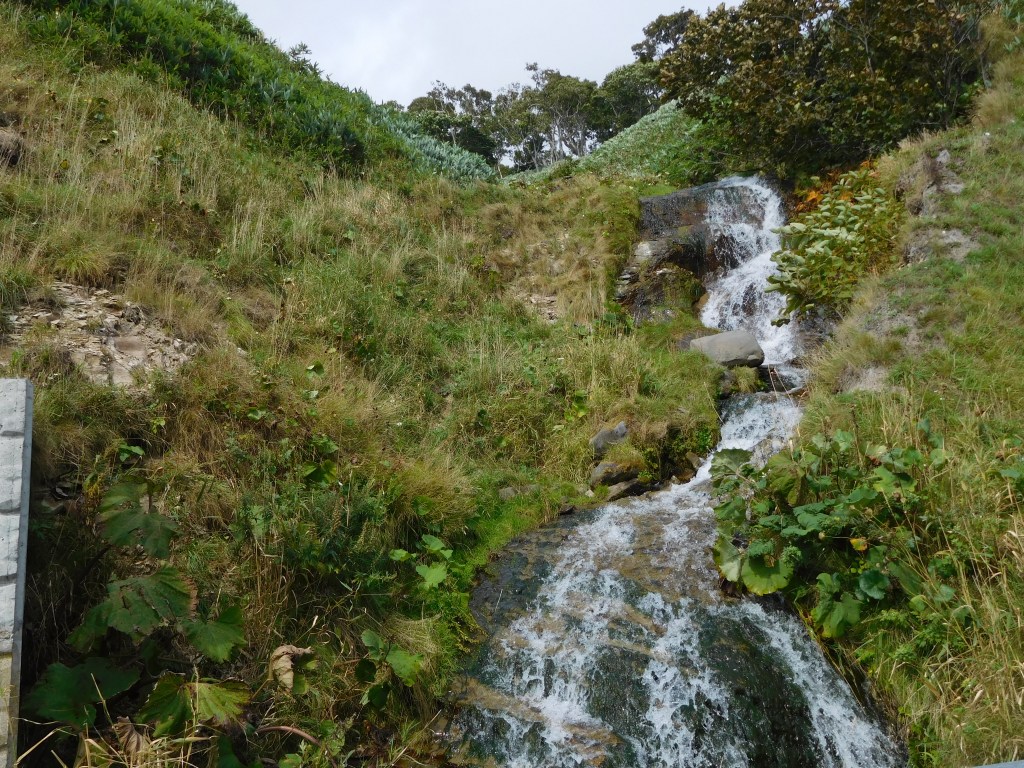
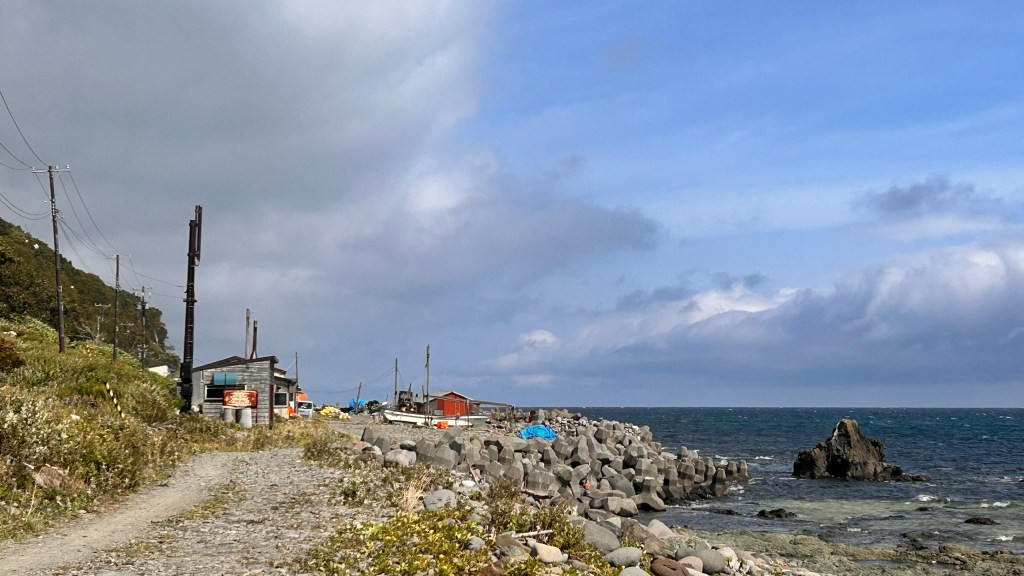
Our day of exploration of the Shiretoko Peninsula was fantastic. The natural beauty here is truly beyond words.







 Four Itchy Feet
Leave a comment