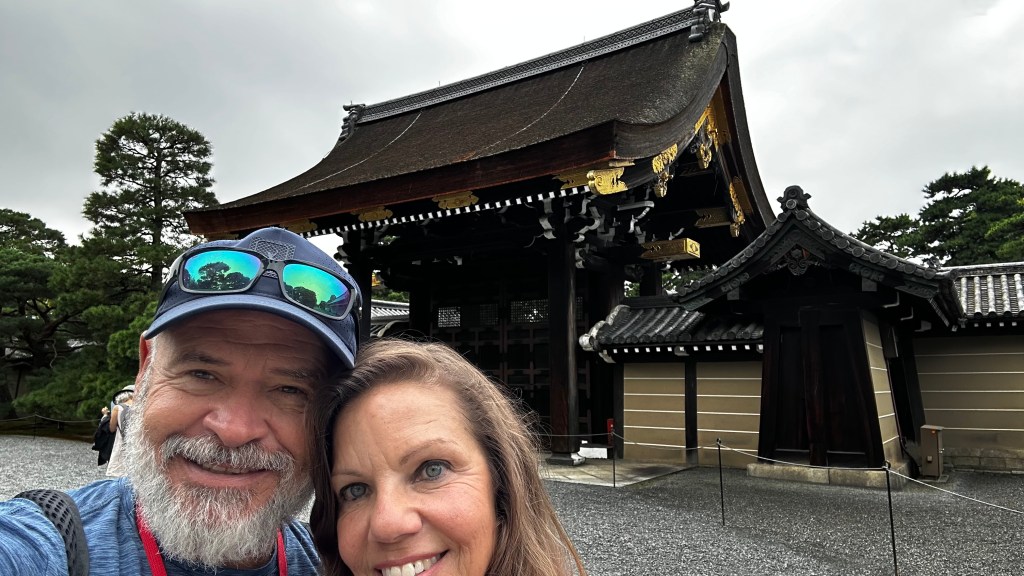
September 24, 2025. Kyoto, Japan.
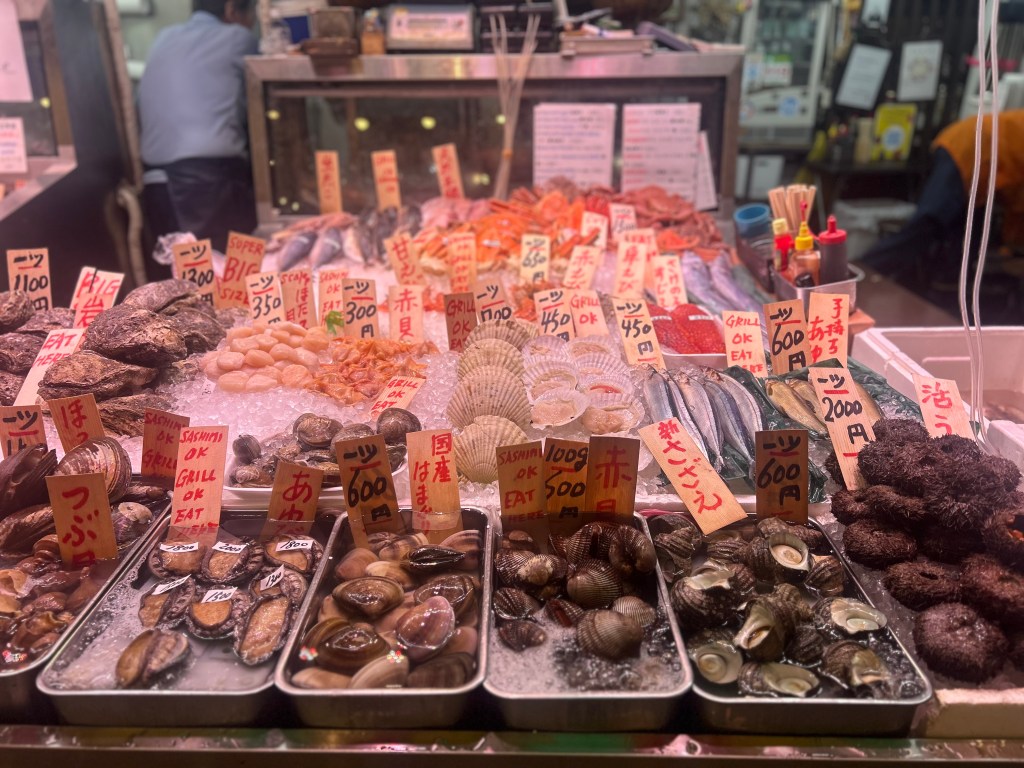
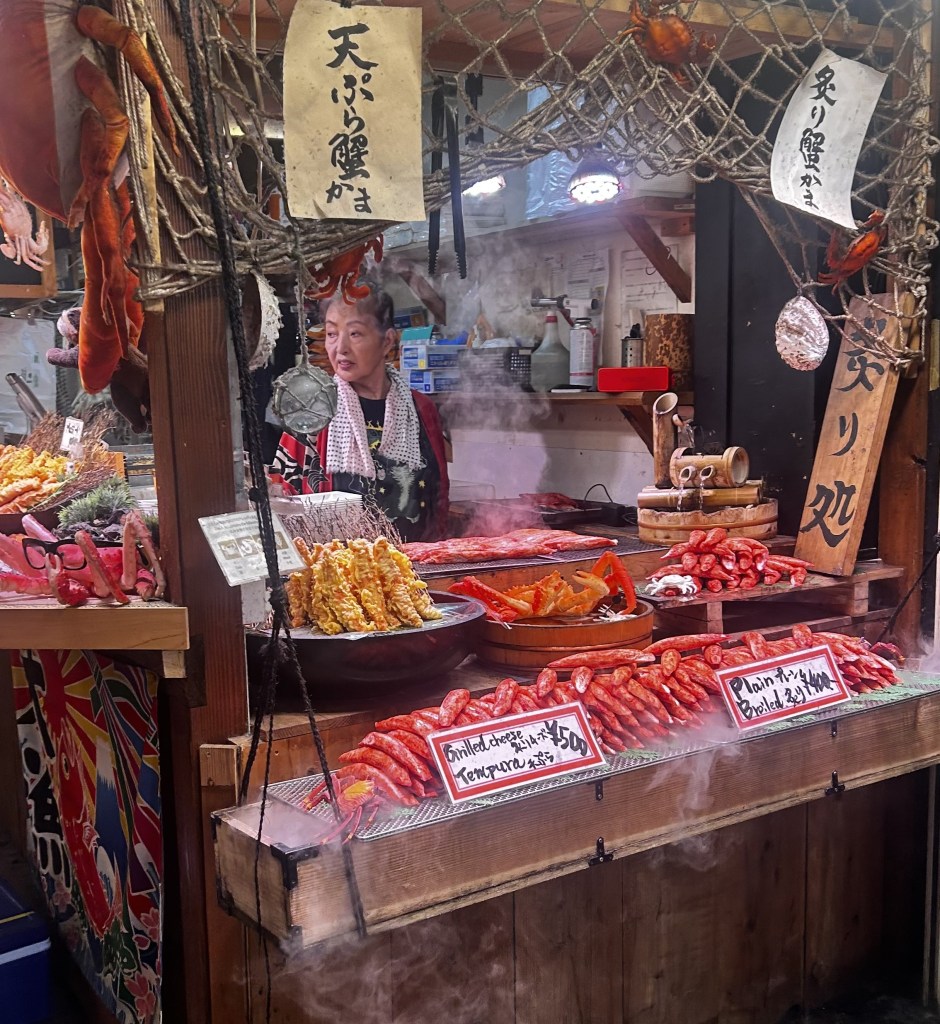
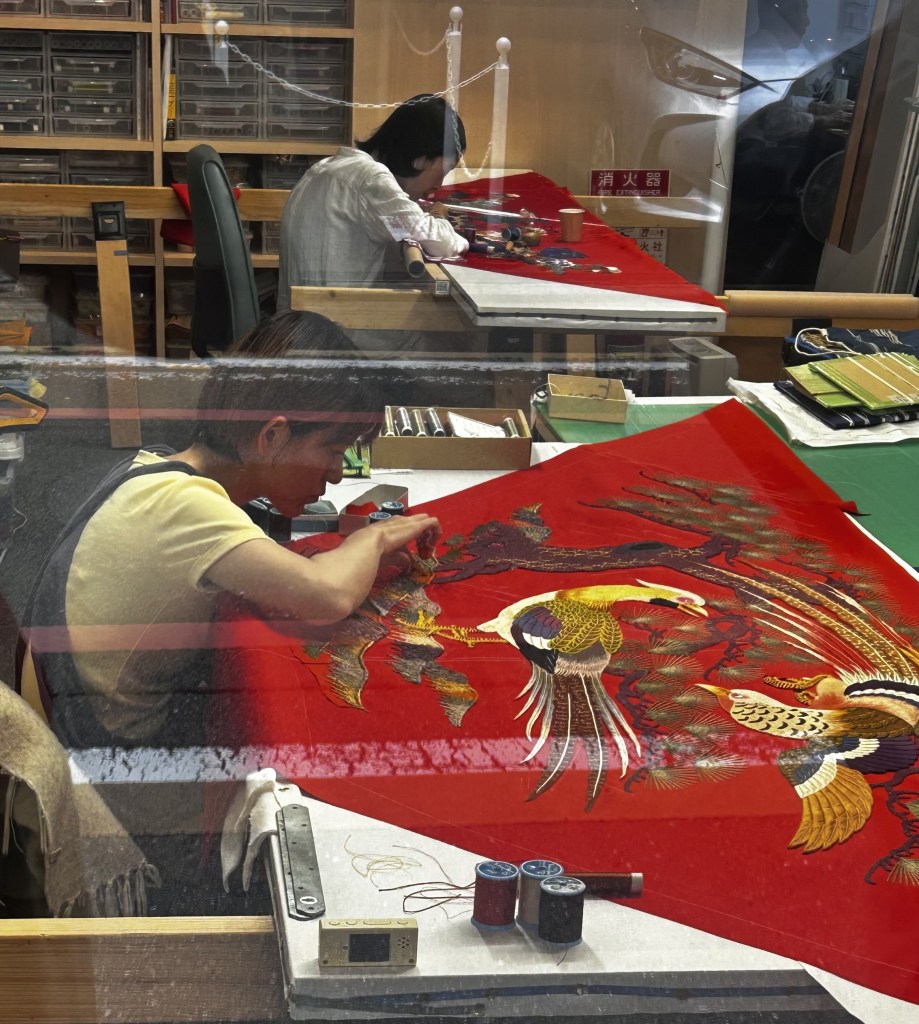
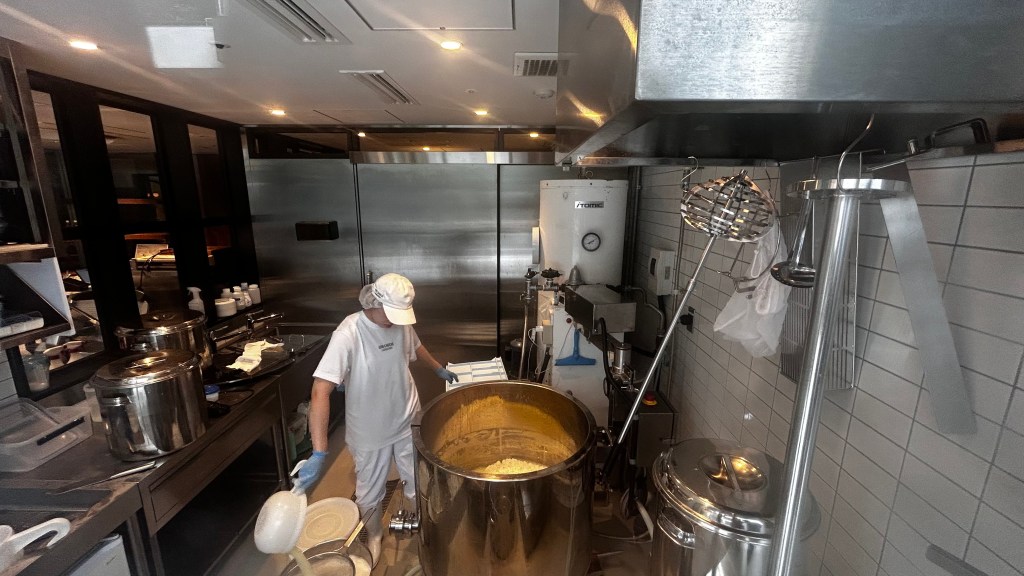
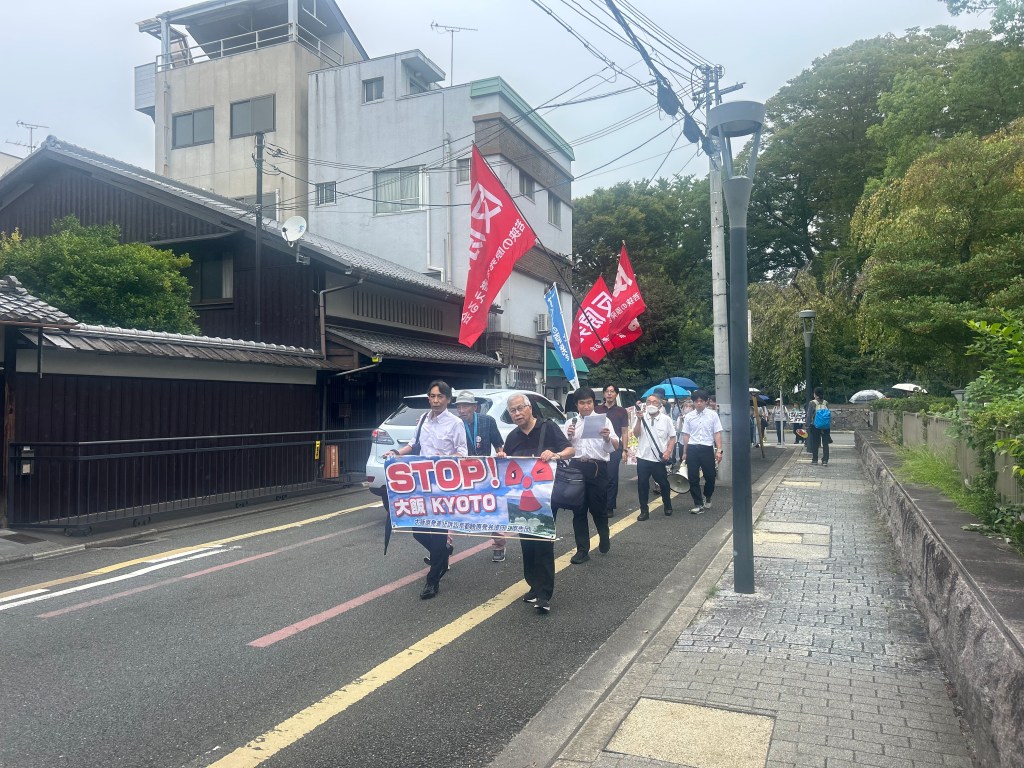
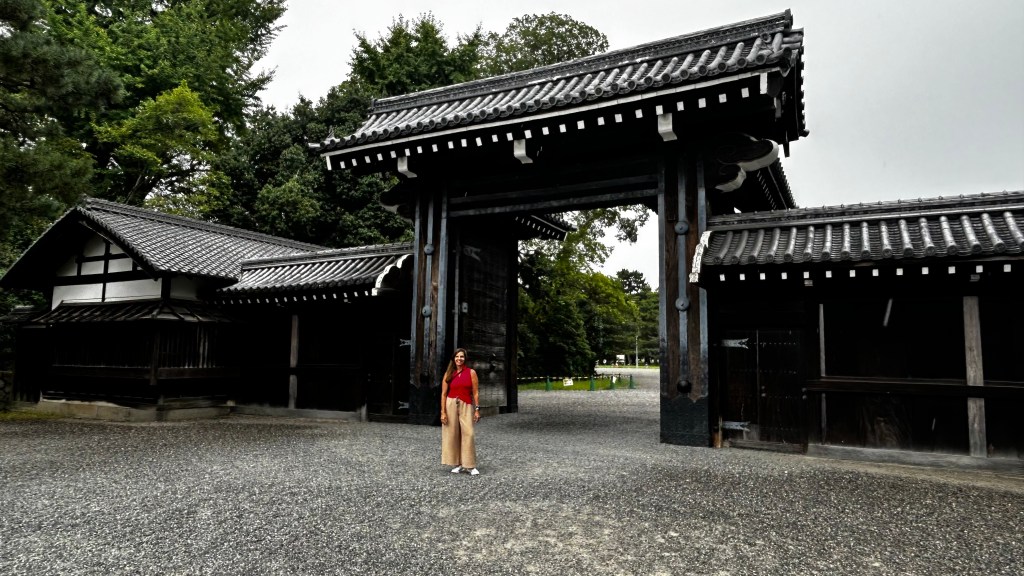
Today we meandered through the street of Kyoto and ended up without intention at the Kyoto Imperial Palace. Along the way we walked through the open air markets, we saw artisans quilting, cheese making, witnessed an Anti-Nuclear Power street protest and had a wonderful breakfast at a small Cafe.
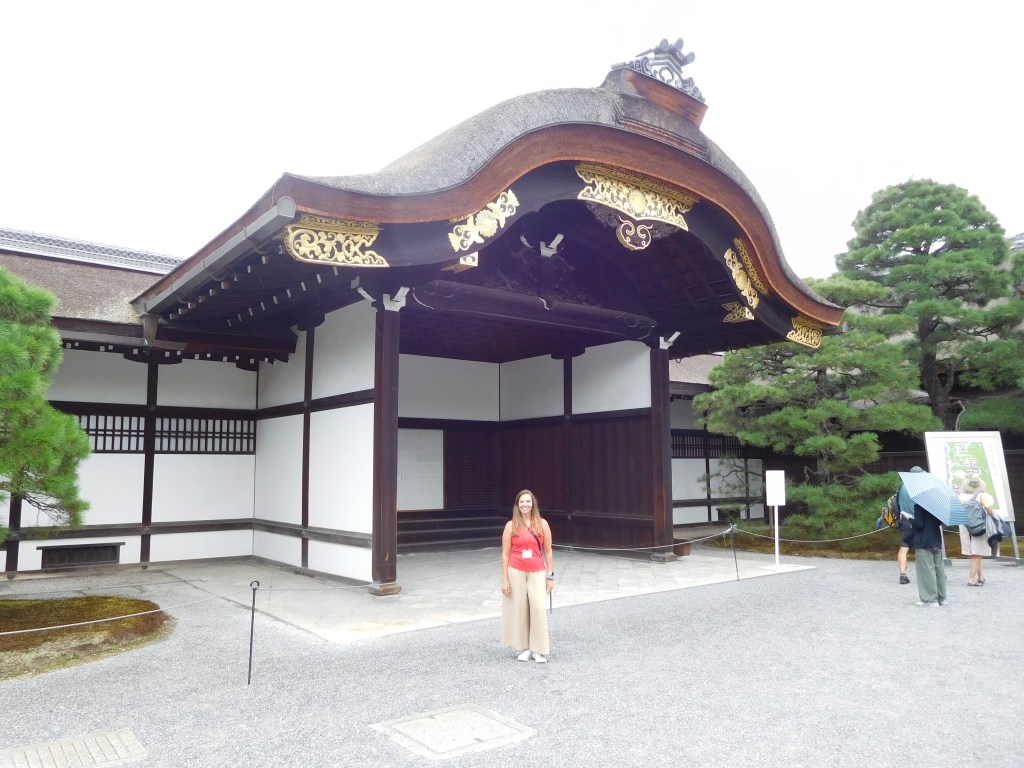
Kyoto Imperial Palace, located within Kyoto Gyoen National Garden in the heart of Kyoto, was the residence of Japan’s Imperial Family for centuries, from the late Heian period until the capital moved to Tokyo in 1869. Although the Emperor now resides in Tokyo, the palace remains a place of immense cultural and historical significance, preserving the architectural traditions and courtly atmosphere of classical Japan.
The palace is situated within the vast Kyoto Imperial Park, a large walled area that includes lush gardens, gravel paths, and several important related sites such as the Sento Imperial Palace (built for retired emperors) and numerous smaller shrines. Vi
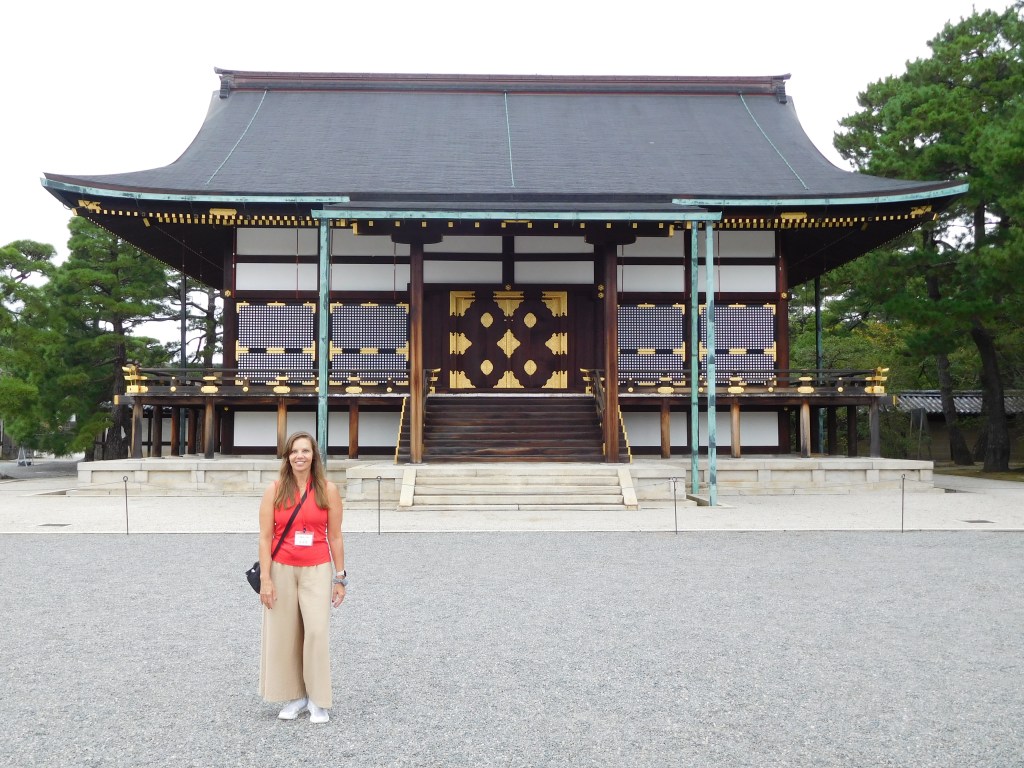
Shishinden (Hall for State Ceremonies): The most important building in the palace, where enthronements, New Year’s ceremonies, and other official functions were held. The hall is flanked by carefully maintained gardens featuring cherry and orange trees, which bloom seasonally and enhance the symbolism of renewal.

Seiryōden (Emperor’s Residence): A more modest but historically significant hall that once served as the Emperor’s living quarters.
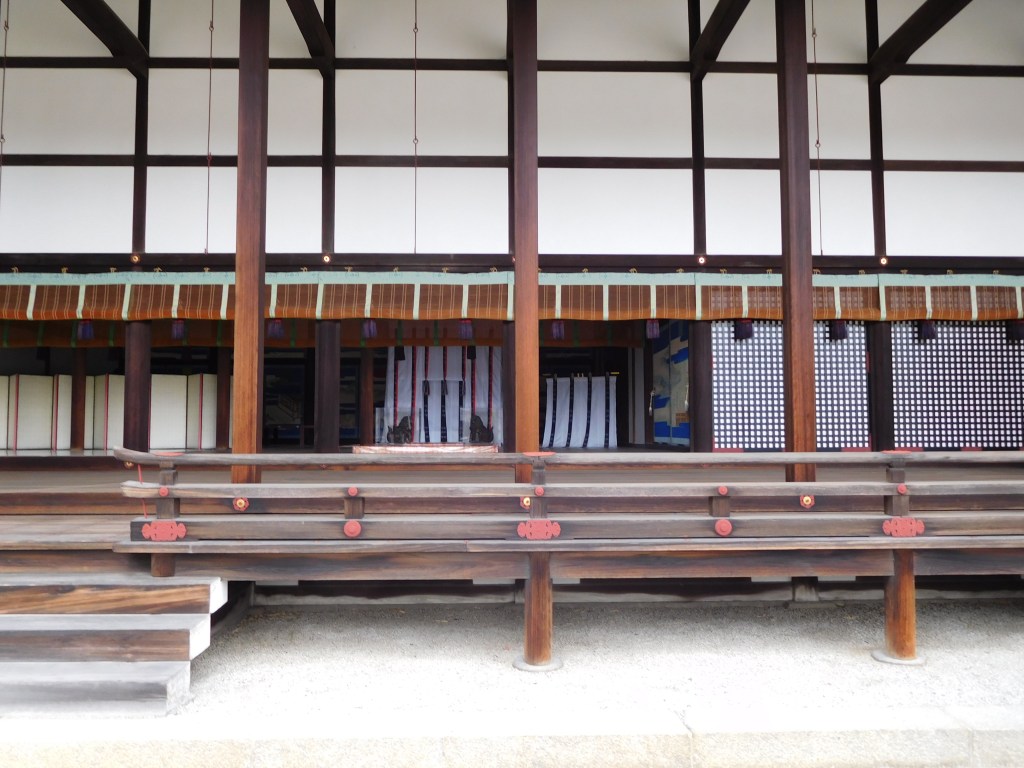
Kogosho (Court Room): Used for meetings and gatherings of high officials and nobles.
Ogakumonjo (Imperial Study Hall): Reflects the scholarly and literary pursuits of the court.

Each structure is built in the shinden-zukuri architectural style, which emphasizes open, airy spaces, natural materials, and harmony with the surrounding landscape. The use of hinoki cypress bark for roofing, sliding doors, and painted screens exemplifies traditional Japanese aesthetics.

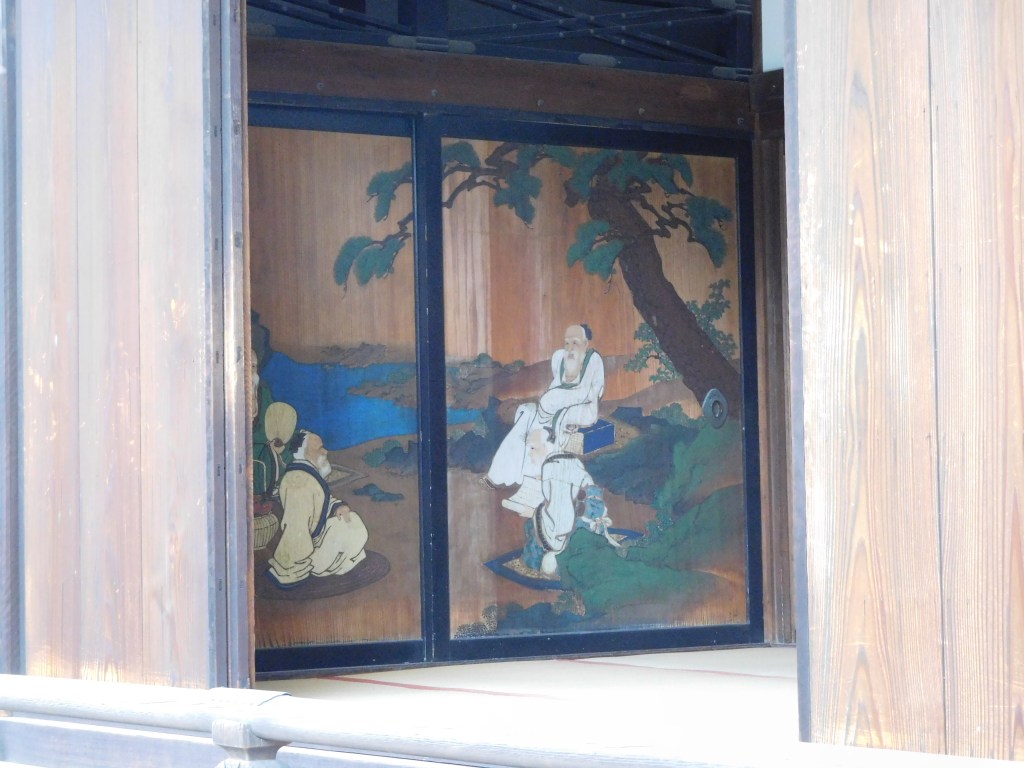
The surrounding gardens are designed in the classical Japanese style, featuring ponds, stone bridges, and meticulously pruned trees. Seasonal beauty is a central theme—plum blossoms in early spring, cherry blossoms in April, and brilliant maples in autumn all frame the palace in constantly changing colors.
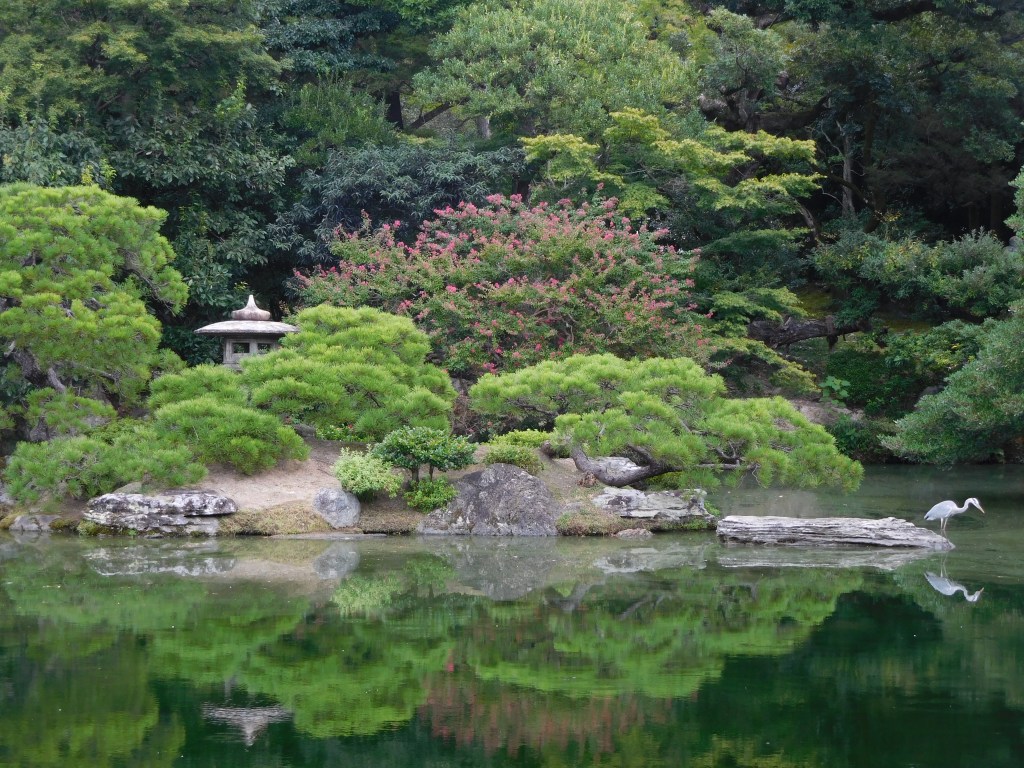

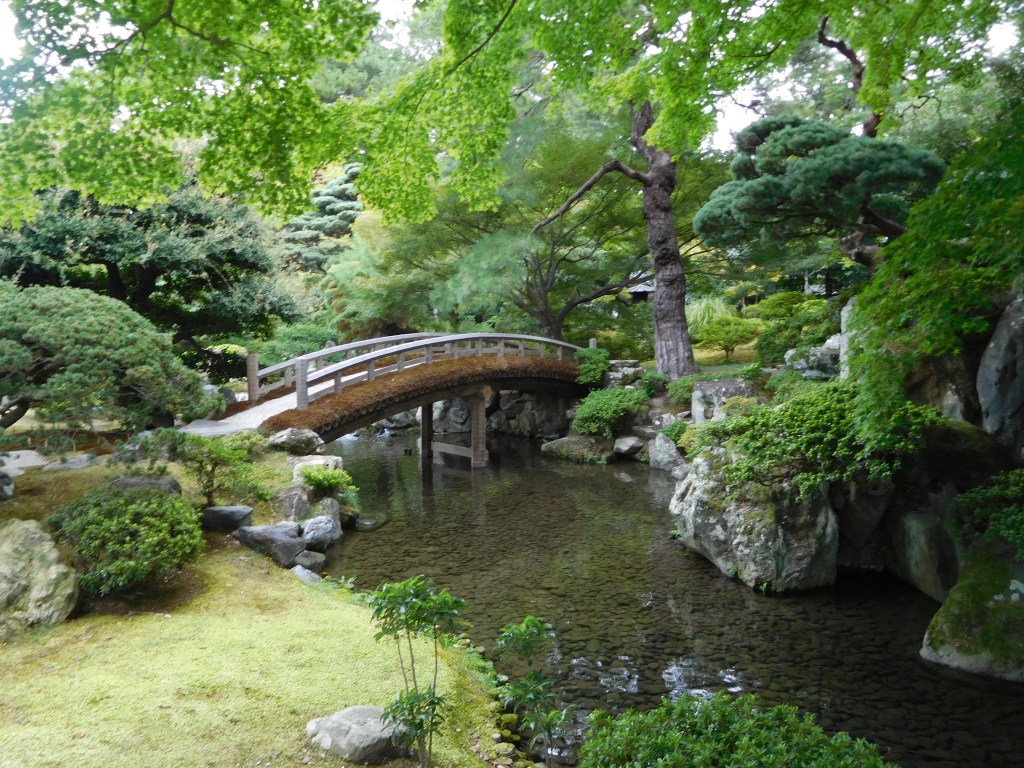
Kyoto Imperial Palace is open to the public and entrance is free. Free guided tours available in multiple languages. The Kyoto Gyoen Park around the palace is a popular place for locals and visitors alike, offering wide walking paths, picnic areas, and seasonal flower displays. The combination of imperial history and natural beauty makes it one of Kyoto’s most important cultural landmarks. We found a very pleasant and uncrowded atmosphere at the palace and nearby gardens. If you are looking to escape Kyoto’s tourist crowds this is an ideal place to spend the day.








 Four Itchy Feet
Leave a comment